
Starting your skincare journey can feel confusing, overwhelming, and honestly a little intimidating. With so many products and routines floating around online, it’s easy to think you need a 10-step ritual, complicated ingredients, or expensive formulas to see results. But the truth is far simpler. The best place to start is with a strong foundation built on just three essentials: a cleanser, a moisturiser, and sunscreen.
These three products shape the core of skincare for beginners because they protect your barrier, support your skin’s natural function, and create stability before adding anything more advanced. When you focus on simplicity first, your skin has room to breathe, recover, and improve without irritation or guesswork. This guide breaks down why these essentials matter, how to choose the right ones, and why keeping things simple is the healthiest and most sustainable way to start skincare for beginners.
This post may contain affiliate links. If you make a purchase through them, I may earn a small commission at no extra cost to you.
Overview: What is the Best Skincare for Beginners?
The best skincare for beginners routine is one that prioritises barrier health, consistency, and ease of use. For anyone new to skincare, especially those with sensitive or reactive skin, the goal should be to create a stable foundation using products that cleanse gently, hydrate effectively, and protect daily. These three steps form the backbone of skincare for beginners because they address the universal needs of all skin types.
The criteria used to shape this list include gentleness, functionality, accessibility, and compatibility with a wide range of skin concerns. Each section below focuses on the importance of the step itself rather than the products, giving you the knowledge to understand why these essentials matter and how to choose the best options for your own skincare for beginners routine.
Table of Contents

1. Cleanser: Why It Matters and How to Choose the Right One
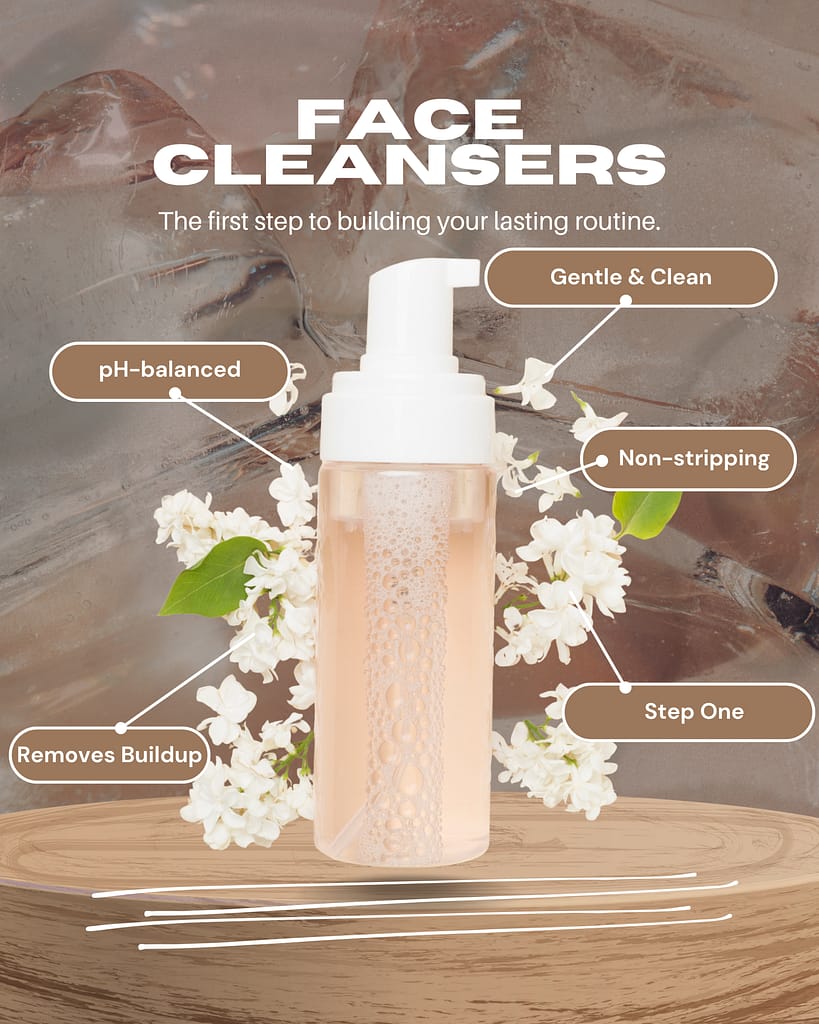
A cleanser is the first pillar for skincare for beginners because it sets the tone for your entire routine. Cleansing removes sunscreen, makeup, sweat, oil, and environmental buildup that collects on the skin throughout the day. But the key is choosing a cleanser that removes impurities without stripping your natural moisture barrier. Many beginners make the mistake of using overly harsh cleansers that leave the skin feeling tight or squeaky, which may seem clean but actually signals barrier disruption.
A good cleanser should leave your skin soft, comfortable, and balanced. When starting skincare for beginners, it’s important to choose a formula suited to your skin type. Gel or foaming cleansers tend to work well for combination or oily skin types, while cream or milk cleansers are typically more soothing for dry or sensitive skin. Look for terms like gentle, hydrating, non-stripping, fragrance-free, and pH-balanced on the label. These cues indicate that the cleanser will support rather than overwhelm your skin.
Another important aspect is understanding that you only need to cleanse twice a day if your skin tolerates it well. Some beginners prefer cleansing once at night and rinsing with water in the morning, which can be beneficial for very dry or sensitive skin. The key is paying attention to how your skin feels afterward. Any burning, tightness, redness, or stinging means the cleanser is too harsh. Cleansing is foundational in skincare for beginners because it prepares your skin to absorb moisturiser and prevents buildup from causing irritation or congestion. When choosing a cleanser, keep it simple, barrier-friendly, and gentle enough for daily use.
It’s also important to note that if you use toning pads after cleansing and notice dirt coming off on the pad, it usually means one of two things: either you’re not cleansing properly, or you’re using the wrong cleanser for your skin. A cleanser’s purpose is to remove daily buildup, while a toner’s purpose is to add hydration back into the skin, not to finish the job your cleanser should have done. Many people misinterpret a toning pad picking up leftover grime as “proof” that the toner is working well, when in reality it’s a sign that the cleansing step needs to be adjusted. When your cleanser is doing its job, your toning pad should not come away noticeably dirty.
My personal recommendation for anyone who struggles with dry and sensitive skin, just like I do, is the Vanicream Gentle Facial Cleanser. It took me a long time to find a cleanser that actually worked for my skin without irritating it, and this one has been the most reliable. For me, it cleanses properly without needing a double cleanse, and when I use toning pads afterward, there’s no leftover grime on the pad. That’s how I know it’s doing its job. I’ve also never experienced any tightness after using it, which is rare for my skin type. When you lather it, it creates a soft, light foam, nothing dramatic; and leaves the skin feeling clean and comfortable.
While I haven’t personally tried this cleanser myself, I still wanted to include an option for my oily-skin friends because it’s important to keep this blog inclusive, and there are trusted brands in the skincare space with products that consistently receive strong reviews. One option worth looking into is the Cetaphil Gentle Exfoliating SA Cleanser.
Even though it’s labelled as suitable for all skin types, it contains salicylic acid, which makes it better suited for oily or combination skin that needs help managing excess oil and congestion. If you have dry or sensitive skin, I wouldn’t recommend using this daily, as SA can be too strong and may lead to irritation when overused. But for oily skin types this can be a solid choice, just make sure to listen to your skin and adjust the frequency accordingly.
2. Moisturiser: Why It Matters and How to Choose the Right One
A moisturiser is the second pillar of skincare for beginners because it restores hydration, supports the moisture barrier, and prevents trans-epidermal water loss. Even if your skin is oily, moisturising is essential because skipping it often leads to dehydration, which in turn causes your skin to produce more oil. For dry and sensitive skin types, finding a moisturiser that soothes rather than irritates can completely transform comfort and texture. Moisturisers generally fall into three categories:
- Humectants that pull water into the skin
- Emollients that soften and smooth
- Occlusives that lock in moisture.
A balanced formula will usually contain a combination of these. Skincare for beginners generally focuses on moisturisers that prioritise hydration without heaviness and comfort without clogging pores. Labels that say non-comedogenic, gentle, fragrance-free, and suitable for sensitive skin are usually safe bets. Whereas for oily skin types, it generally focuses on moisturisers that hydrate without adding heaviness and support the barrier without leaving a greasy finish. Look for labels that say non-comedogenic, oil-free, lightweight gel or gel-cream formulas, and ingredients like niacinamide or hyaluronic acid, as these help balance oil production while keeping the skin comfortably hydrated.
Part of skincare for beginners is learning what your skin responds to. For my dry and sensitive skin types, pay attention to ingredients like ceramides, glycerin, hyaluronic acid, and squalene, which all support barrier repair and hydration. Avoid products with unnecessary essential oils, drying alcohols, or heavy fragrances, as these can trigger irritation.
Another important point for skincare for beginners is consistency. Many people expect immediate results, but moisturisers often work best when used over time to rebuild and maintain the skin barrier. If your skin barrier is already damaged, a moisturiser won’t fix this overnight.
Apply your moisturiser twice daily, or once at night if your skin prefers something lighter in the morning. A good moisturiser should leave your skin feeling comfortable, cushioned, and supported, not greasy or irritated. Choosing the right moisturiser is a central part of skincare for beginners because hydrated skin is healthier, more resilient, and better able to tolerate future products when you expand your routine.
My day time recommendation for dry and sensitive skin types is the COSRX Propolis Light Cream. It’s important to note that propolis as an ingredient doesn’t work for everyone; a lot of people find it irritating or simply not compatible with their skin. Make sure you research any product before buying and always do a patch test, especially if your skin is reactive. Personally, I really enjoy this cream, particularly in hotter weather, because it’s lightweight but still hydrating enough for my skin to stay comfortable without flaking. I’ve never reacted to it or experienced any irritation, and it layers beautifully under sunscreen.
If you prefer something heavier, the Vanicream Moisturizing Cream is perfect because locks in hydration without clogging pores. I use this as my nighttime moisturiser since my morning routine already has a few layers, and during the day I don’t need something so rich. It also has a bit of a white cast that takes time to work into the skin, which I simply don’t want to deal with in the mornings.
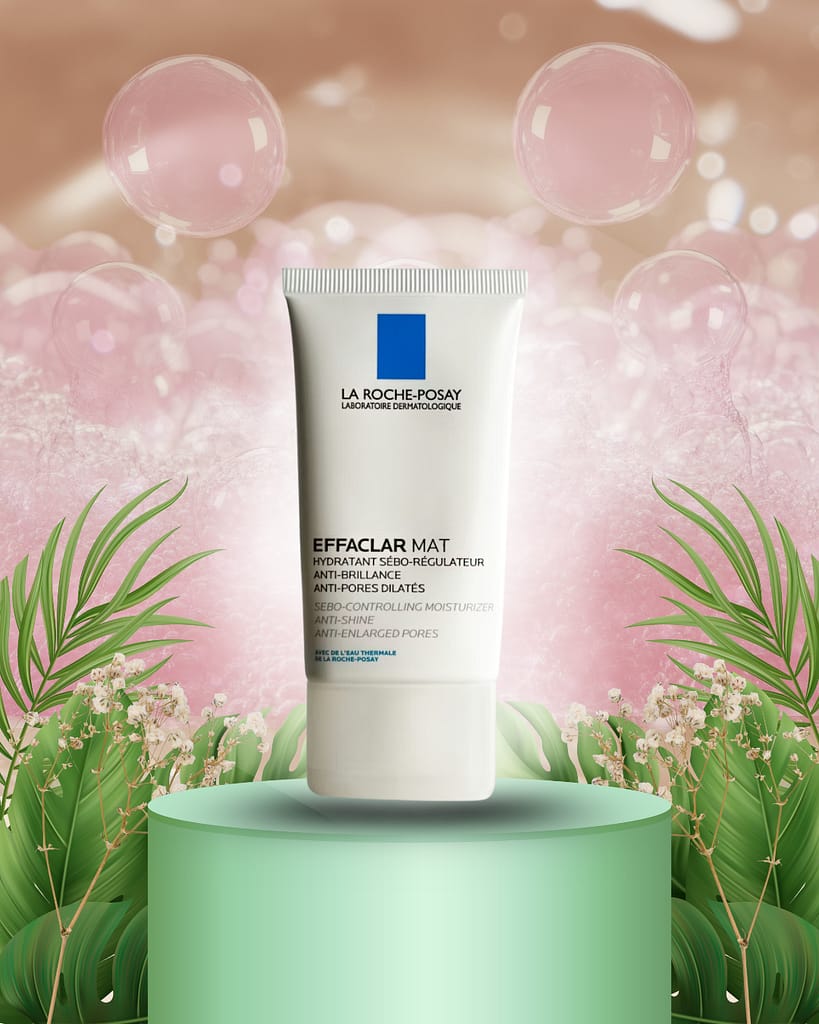
For my oily skin types, if you deal with excess shine or want something that helps control oil throughout the day, a good pick might be the La Roche-Posay Effaclar Mat Cream. As the name suggests, it’s a lightweight moisturiser that helps mattify the skin and reduce oil production over time. If you want an in-depth comparison between this cream and the Toleraine cream, check out this review. I love the way Tamuno Abbey tests products, looking at pilling, texture, close-up wear, and how the cream looks after an hour. It’s also really helpful to see how these products perform on medium to deep skin tones.
3. Sunscreen: Why It Matters and How to Choose the Right One
Sunscreen is the most important pillar of skincare for beginners because it protects your skin from UV damage, prevents premature aging, and reduces the risk of hyperpigmentation and irritation. Even if your routine is perfect, skipping sunscreen undermines the benefits of every other step. UV exposure triggers inflammation, degrades collagen, and disrupts the moisture barrier, making sunscreen non-negotiable in any routine, especially skincare for beginners. Sunscreens fall into two categories: mineral (physical) and chemical.
Mineral sunscreens use ingredients like zinc oxide and titanium dioxide to physically block UV rays, while chemical sunscreens absorb UV radiation and convert it into heat. Both types are effective, but choosing the right one depends on your skin type and personal preference. For beginners, the best sunscreen is the sunscreen you will actually wear every day. Lightweight formulas, hydrating textures, and non-greasy finishes tend to perform best across skin types.
If you have deeper skin tones, look for sunscreens marketed as no white cast or invisible finish to avoid grey or ashy residue. I would also recommend doing your own research on YouTube, because I’ve tried plenty of sunscreens that claimed to leave no white cast, but my experience was the complete opposite. That’s why I like following certified dermatologists, they have the training and qualifications to give evidence-based recommendations. Some of my favourite channels include:
- Dr Dray
- Doctorly
- Dr Alexis Stephens
- The Style and Beauty Doctor (she’s not a dermatologist, but her content is incredibly helpful, especially for medium to deep skin tones)
Just remember that any content you watch or read can only serve as a guide, as none of them are specifically tailored for you or your situation directly. Use them as a learning guide not your holy grail. It took me a few years to really find the right products for my skin type, and while education helped, trial and error played an equally important role. Recommendations that work well for others may not work well for you.
Back to sunscreens – when evaluating sunscreen in skincare for beginners, the two most important things to look for are SPF 50 and broad-spectrum protection, often listed as PA++++ (UVA and UVB). Daily use is essential because UV damage accumulates quietly even on cloudy days and home days. Another important part of skincare for beginners is understanding how to layer sunscreen properly.
Apply it as the final step of your morning routine, use enough to cover the entire face and neck, and reapply when exposed to sunlight for extended periods (generally every 2 hours if you are exposed). A good sunscreen should feel comfortable enough to use daily, blend without irritation, and complement your moisturiser. Sunscreen is truly the backbone of skincare for beginners because it protects your progress, preserves your skin health, and prevents issues that become harder to treat later.
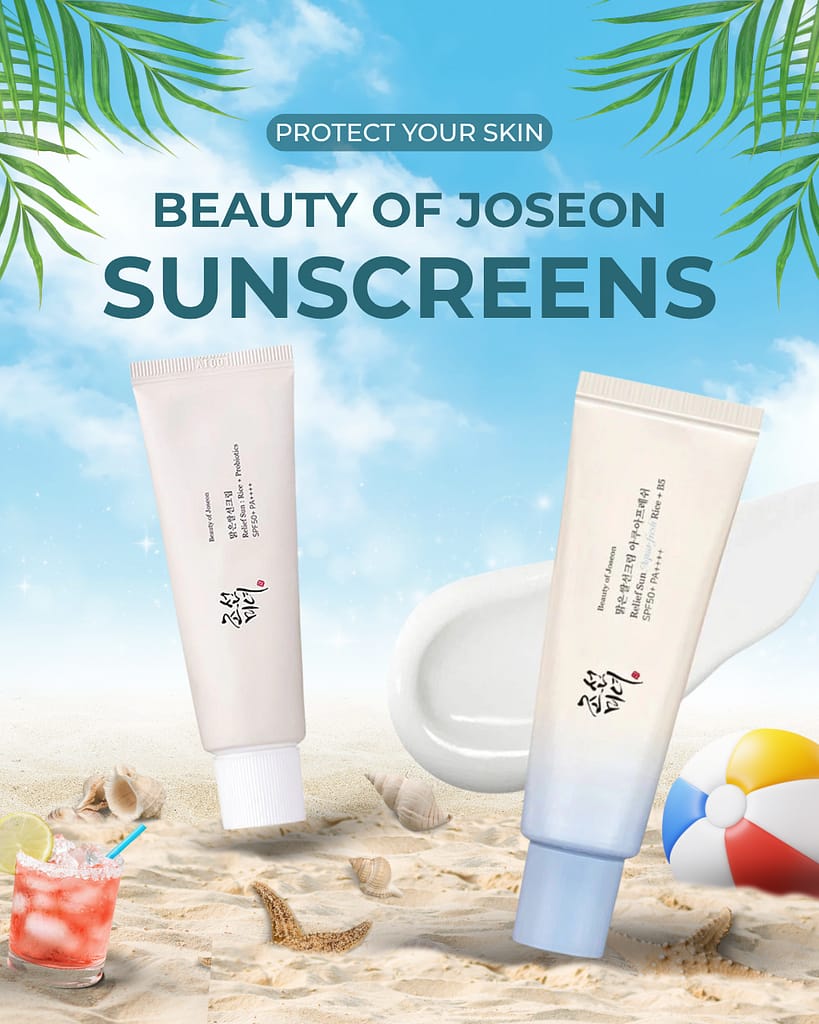
My sunscreen recommendation in this skincare for beginners guide is the Beauty of Joseon line. Their Relief Sun Aqua-Fresh has genuinely become my holy grail. Even though it’s marketed more towards combination and oily skin types, I’ve found that it works perfectly for me, especially in warmer months. It applies smoothly, doesn’t require excessive rubbing, and leaves a matte-but-not-drying finish.
This is the ONLY sunscreen I’ve ever used that leaves absolutely no white cast behind. I used to use the La Roche-Posay Anthelios Invisible Fluid, and I could always see a subtle layer that made my skin appear darker after each application. For my dry skin crowd, Beauty of Joseon also have the Relief Sun : Rice + Probiotics, which is slightly heavier but still hydrating and comfortable for daily use.
Why You Should Start With Only Three Essentials
One of the biggest reasons skincare for beginners goes wrong is because people start with too many products at once. Adding toners, serums, exfoliants, and masks before establishing the basics often leads to irritation, breakouts, barrier damage, and confusion about what is actually working. Beginning with just three essentials allows your skin to stabilise, heal, and show you its natural patterns. A cleanser, moisturiser, and sunscreen cover the fundamental needs of your skin: cleansing debris, restoring hydration, and protecting against UV damage.
Everything else is optional and should only be added when your foundation feels solid. A simple three-step routine also makes it much easier to observe changes. If your skin becomes irritated or breaks out after introducing a new product later, you will know exactly what caused it because your routine was clean and controlled. This is a major advantage of skincare for beginners, as it prevents overwhelming the skin and wasting money on products that aren’t needed. It also encourages healthy habits and consistency, which are the real drivers of long-term improvements. A minimalist start sets you up for success.
How to Know When You’re Ready to Add More Products
Once your essential routine feels comfortable and your skin has adjusted, you may be ready to expand beyond skincare for beginners and introduce targeted products like serums or exfoliants. The signs that you’re ready include having a calm, balanced skin barrier, experiencing little to no irritation, and feeling confident in your skin’s daily behaviour. When adding new products, introduce one at a time and wait at least two weeks before adding another to track how your skin responds.
Beginners often rush into active ingredients like vitamin C, niacinamide, or retinol, but these can be intense if your barrier is not strong. Your skin should feel stable, hydrated, and predictable before integrating new steps. If irritation occurs, return to your essential routine and allow your skin to reset. This slow, mindful approach ensures that skincare for beginners transitions smoothly into more advanced routines when the time is right.
Once you are ready and have advanced from skincare for beginners to beyond, I also have a post detailing the 10 Best Skincare Products for Dry and Sensitive Skin. This includes some of my favourite products that have been a nice addition to my own routine. Again, in skincare for beginners, I do not recommend multiple add-ons.
Conclusion
The foundation of healthy, radiant skin begins with a simple, sustainable, and barrier-supportive routine built around three essentials: a gentle cleanser, a hydrating moisturiser, and a protective sunscreen. These steps form the backbone of skincare for beginners because they address universal skin needs without overwhelming your barrier or your budget. By mastering the basics and allowing your skin to find stability, you create the perfect environment for long-term improvement. Remember that skincare for beginners doesn’t need to be complicated to be effective. Start with the essentials, stay consistent, and expand only when your skin feels ready.
Disclaimer
I’m not a dermatologist, esthetician, or medical professional. These recommendations are based on my personal experience and further research. Always patch test new products and consult a professional for personalised advice.


Pingback: How to Determine Your Skin Type in 2026 – A Soft Beginner's Guide - rnworld
Pingback: Skincare Tools vs Skincare Products 2026 – Which Is the Best Skincare Option? - rnworld
Pingback: 4 Best Face Skincare Products for a Lazy Girl Skincare Routine (2026) - rnworld
Pingback: 15 Best Comfort Items For a Breakup in 2026 - rnworld
Pingback: 6 Best DIY Self-Care Rituals for 2026 - rnworld