
Over the years, I’ve realised that the most transformative skincare tips aren’t the cliché ones plastered everywhere. Skincare isn’t just about looking glowy under good lighting, it’s about understanding your skin deeply enough that your routine actually works for you instead of against you.
Valuable skincare tips are the quiet, overlooked shifts that genuinely change how your skin behaves. This post gathers fifteen game-changing skincare tips that work across skin types, tones, environments, and ages; the kind you can start applying immediately without needing a full bathroom overhaul. These are practical, elevated, non-basic tips that you can actually benefit from. And yes, I’m giving you everything without fluff because that’s how I roll.
What are the Most Game-Changing Skincare Tips?
Before I get into the list, here’s how I approached these fifteen skincare tips. I chose each one based on:
- Practical impact: something that measurably shifts skin behaviour, not a trendy moment.
- Universality: anyone should be able to use these skincare tips regardless of skin type or tone.
- Long-term improvements: not temporary fixes that only look good for a week.
- Barrier-first philosophy: your barrier is the foundation, when it’s thriving, everything else works better.
- Accessibility: skincare tips that don’t require luxury products or insane routines to be effective.
I do want you to note however, that skincare is holistic: the way you care for your skin, the products you use, the tips you follow, they are all one side of it. Other factors like your lifestyle, daily water intake, genetics, sleep quality, stress levels, emotional and environmental safety etc. all impact the quality of your skin.
This post may contain affiliate links. If you make a purchase through them, I may earn a small commission at no extra cost to you.
Table of Contents
1. Double Cleansing With Intent
Double cleansing isn’t new, but double cleansing properly is a game changer. Most people treat it like an optional step, but intentional double cleansing removes sunscreen, pollution, sweat, oil buildup, and environmental grime that water-based cleansers alone can’t break through. The pros? Noticeably fewer breakouts, smoother skin texture, better absorption of everything you apply afterward.
When you double cleanse with intention, you’ll notice fewer breakouts, smoother texture, and better absorption from the rest of your routine. The only real issue arises when people use harsh, stripping cleansers and turn it into a daily obligation when their skin doesn’t need that level of cleansing. You don’t need expensive balms, even a simple, mid-range cleansing oil does the job beautifully. Use an oil cleanse to melt everything down, then follow with a gentle gel to finish.
If your skin leans dry, reactive, or just doesn’t produce much oil, you absolutely don’t need to double cleanse every day. Personally, I only double cleanse when I’m removing makeup, I use a balm first, then my usual Vanicream Gentle Facial Cleanser. This is important even if you have dry skin. You don’t want product residue hanging around because it can turn into a breeding ground for bacteria and trigger breakouts. Double cleansing isn’t a rule; it’s a tool. And your skin will always tell you when one cleanse simply isn’t enough.
2. Skin Cycling For Barrier Safety
Skin cycling blew up for a reason, it allows your active nights (retinol, AHAs, BHAs) and your barrier nights (hydration, ceramides, recovery formulas) to coexist without fighting each other. It’s one of the skincare tips that helps beginners avoid irritation, peeling, or sensitivity while still getting real results. You get the glow without the damage. The pros: consistency, less inflammation, healthier barrier. The only con is patience, you won’t see overnight miracles, but you’ll see sustainable change.
When I shifted into skin cycling, my skin calmed down so much that even products that used to irritate me became tolerable. I did this when I first introduced a retinol cream into my routine. I was nervous because I have dry and sensitive skin and the general feedback around actives was that it would first cause drying/flaking before making my skin better. The Olay Regenerist Retinol 24 became my holy grail (I still use it to this day years later).
Yes I did flake at first, but I also knew my skin needed time to adapt. For the first week, I only used it once a week and my other nights were focused on barrier protection with hydration heavy products. Then I slowly increased the frequency to 2x a week, then 3x. You don’t need actives on a daily basis, especially if you have dry and sensitive skin like me. However, in order to introduce them correctly, skin cycling is one of the best skincare tips I can give you, along with encouraging you to research how to add actives into your personal routine.
Photo by pmv chamara on Unsplash
3. Using A Hydration Sandwich
This is one of those skincare tips that looks deceptively simple. You layer hydration strategically: mist or dampen your skin → apply serum → seal with moisturiser. This locks water into the skin and creates that plump, luminous effect people assume comes from expensive facials. The pros: better makeup wear, less flaking, increased elasticity. The cons: overdoing it with too many heavy layers if you’re oily, so adjust based on how your skin feels. The experience is honestly chef’s kiss, your skin feels like a hydrated cloud without feeling sticky.
My personal favourite ampoule is the SKIN1004 Madagascar Centella Ampoule.
4. Tuning Into Climate, Not Just Skin Type
Your skin type isn’t static, it reacts to environmental factors based on weather: humidity, heating, air-con, altitude, and seasonal shifts. One of the most overlooked skincare tips is adjusting your routine to your climate instead of forcing products that worked for you in winter to behave the same in summer.
Pros: far fewer random flareups. Cons: requires a bit of observation. I personally noticed that moving between dry indoor heating and humid climates damaged my barrier until I started adjusting my moisturiser based on the environment.
For example, in winter, I know that I drive with the heater on and sit in the heater all day too. This dries out my skin and causes it to flake, so I therefore need a heavier moisturiser. So I use the Vanicream Moisturizing Cream to help combat this, and in summer I switch to the light-weight, but hydrating COSRX Propolis Honey Overnight Mask.
5. Pressing Products Instead Of Rubbing
A lot of irritation comes from unnecessary friction. Pressing products into the skin, especially around areas where melanin responds quickly to friction reduces micro-irritation and improves absorption. This is one of those skincare tips you don’t realise is huge until you try it. Your skin feels calmer, redness reduces, and even your serums feel like they work better.
The skin on your face is different to that of your body; it’s more delicate. Things like tugging, overworking in products, rigorous wiping will all cause irritation. You may even find that pressing or patting in your products, especially serums, gives you a better glow. Some products need time to seep in, rather than be worked in. Pros: gentler, more effective. Cons: none, honestly. Experience-wise, it feels luxurious and mindful.
6. Buffering Strong Actives Without Losing Effectiveness
Buffering involves using a moisturiser before your active to prevent irritation. Practically, it looks like: moisturiser → retinol (or other active) → moisturiser. It doesn’t dilute retinol or acids the way people assume; it simply slows penetration enough to prevent burning or peeling. This keeps your barrier intact while still allowing transformation. Out of all skincare tips, this one has probably saved the most routines from the “my skin hates me” phase. Pros: fewer reactions, more consistency. Cons: takes trial and error with textures.

Photo by Annie Spratt on Unsplash
7. Understanding pH Pairings
This one isn’t common knowledge but makes a massive difference. Certain ingredients perform better or worse depending on pH. Vitamin C likes acidic environments, niacinamide prefers neutral, and some AHAs conflict with retinoids. You don’t need to become a chemist, but knowing basic pairings protects you from wasted products. Pros: high performance and fewer breakouts. Cons: requires minimal research, but once you get it, it becomes effortless. This belongs in every list of serious skincare tips.
8. The 60-Second Cleanse
Massaging your cleanser for a full minute, not 10 seconds, not 20, a whole minute; helps break down more buildup and congestion without over-exfoliating. This is one of my favourite skincare tips because it gives the glow of a mild facial at home. Pros: clearer pores, softer skin, smoother texture. Cons: it feels long the first few times, but becomes meditative.
I normally do this in the shower for 1 of my 2 daily cleanses because it gives the illusion of the time passing faster for me. I also use a Silicone Facial Cleanser because it gives that exfoliating cleanse without it being too harsh on my skin. Over time it just becomes a natural habit and you’re not thinking twice about it.
9. Layer By Texture, Not By Trend
A helpful way to layer skincare is to apply products from the lightest textures to the heavier ones so they absorb without competing. Think: watery essences → lighter serums → thicker serums → moisturiser → oil. It’s not a strict rule, but it usually prevents pilling and helps everything sink in properly. The only thing I would suggest you apply last is your sunscreen.
The pros: your products suddenly start behaving, your makeup sits better, and your skin feels less congested. The con: you may realise some products are unnecessary. Still, one of the most important skincare tips for building a solid routine.
10. Strengthening Your Moisture Barrier First
People jump into exfoliating because it looks glamorous, but barrier repair is the real flex. Ceramides, cholesterol, fatty acids, peptides, these are the backbone of long-term healthy skin. When your barrier thrives, hyperpigmentation can also fade (depending on your products), redness reduces, texture smooths, and all your expensive serums finally pull their weight. Pros: everything improves. Cons: none. Barrier-first is simply undefeated in the world of skincare tips.
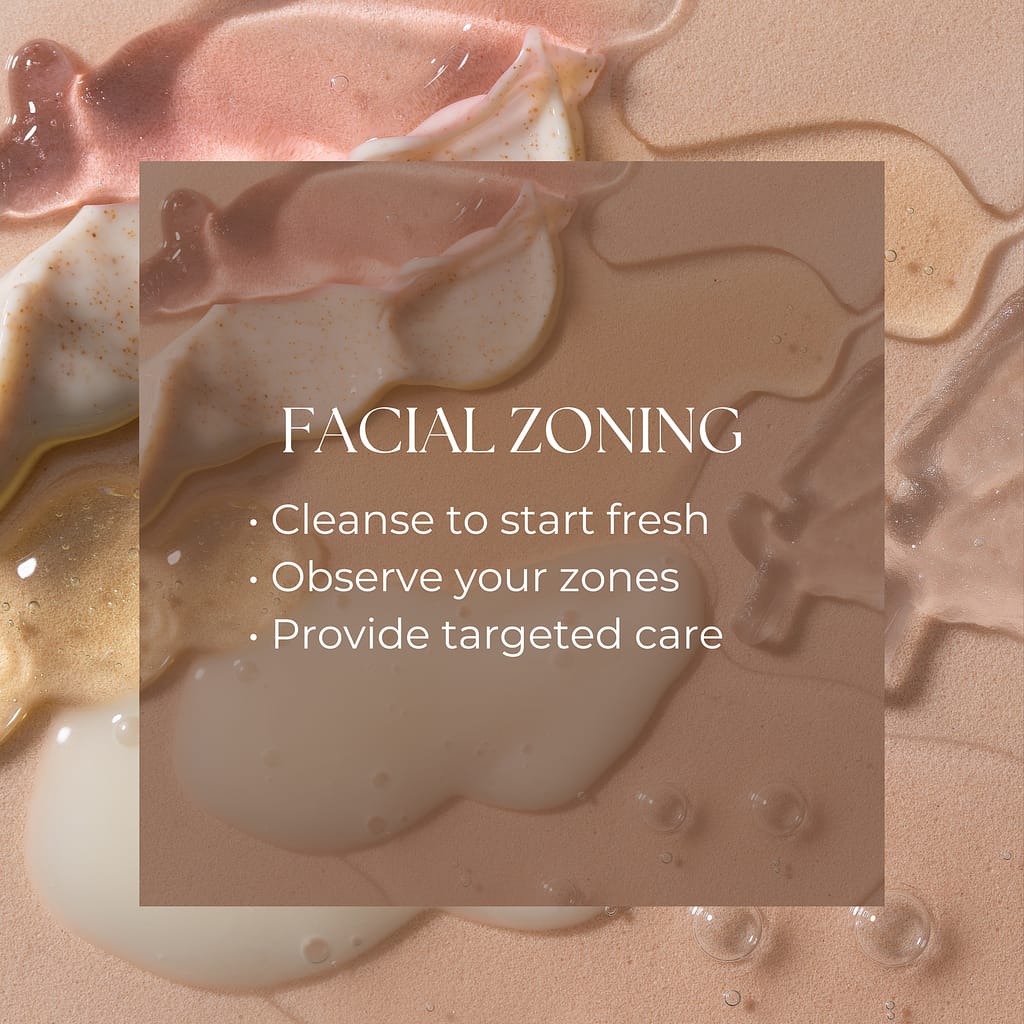
11. Facial Zoning Instead Of Treating Your Face As One Area
Not every part of your face has the same needs. Your T-zone may love lightweight gels, while your cheeks crave richer hydration. Zoning allows you to apply different textures and actives to different areas. Pros: fewer breakouts, fewer dry patches, targeted results. Cons: adds an extra step, but worth it. This belongs in the advanced category of skincare tips because it helps your products work smarter, not harder.
12. Mastering the “Micro-Consistency” Approach
One of the most powerful skincare tips, and honestly the most realistic; is something I call micro-consistency. Instead of trying to perfect the “ideal routine,” you focus on doing small, achievable steps every day. Your skin responds better to gentle, steady habits than to chaotic bursts of motivation. Micro-consistency looks like: cleansing every night even if you’re tired, applying moisturiser even on simple days, and using your chosen actives at a pace that feels sustainable.
The pros? Your barrier stays calm, your texture improves slowly but noticeably, and your products finally start delivering the results they promise. The goal isn’t to get the TikTok-style overnight transformations, but to get long-term stability.
My experience? Once I stopped chasing “perfect routines” and focused on skincare tips that supported consistency, my skin stopped yo-yoing between good and bad weeks. Micro-consistency is honestly one of the most grounding, forgiving, and realistic skincare tips anyone can adopt.
I often struggle with exhaustion during night time and I am always tempted to skip my night time routine. My middle ground is sometimes skipping a few steps. For example, I will skip the toning pad step and jump straight to my ampoule and moisturiser after cleansing. Some nights I even jump straight to the moisturiser only. Give yourself grace on days like these.
13. Slow Exfoliation, Not Punishment Exfoliation
Exfoliation is powerful, but most people overdo it, mistaking squeaky-clean for healthy. Gentle, controlled exfoliation gives better results. AHAs for glow, BHAs for congestion, PHAs for sensitive skin. Research the best one for your skin type and keep it simple. Pros: clarity, radiance, smoothness. Cons: impatience is the enemy. Among all skincare tips, this is the one that protects you from long-term barrier damage.
14. The “Hands-Off” Method
This is underrated but so real.
Stop Touching Your Face Except During Your Routine.
A lot of random breakouts, texture patches, or irritation come from constantly touching your face throughout the day: leaning on it, fiddling with your cheek, resting your chin on your hands, touching that one pimple to see if it’s still there, itching off flaking skin, brushing hair back with fingertips covered in whatever. When you stop doing that consistently, your skin calms down in a way products alone can’t achieve. Pros: fewer surprise breakouts, calmer skin. Cons: you don’t realise how much you touch your face until you try to stop.
15. Treating Sunscreen Like A Lifestyle, Not A Step
One of the most essential skincare tips, but not in the generic way everyone presents it. Sunscreen changes texture, elasticity, pigmentation patterns, and aging speed. Most people don’t apply enough, you need two finger lengths for your face and neck.
There’s also a really harmful myth floating around that people with deeper skin tones don’t need sunscreen. This is completely false. Melanin does offer a bit of natural protection, but it’s nowhere near enough to replace sunscreen, and relying on that alone leads to long-term damage. Sunscreen is non-negotiable for everybody: every skin tone, every skin type, every climate, even when the sun isn’t visibly out. UV rays still reach your skin through clouds, windows, and everyday exposure.
Consistent sunscreen use protects your barrier, slows visible aging, prevents hyperpigmentation from getting darker, and keeps your skin tone more even overall. If you want your skincare routine to actually work, sunscreen isn’t the “optional” step, it’s the foundation.
Pros: long-term evenness, fewer fine lines, slower aging. Cons: reapplication feels annoying but becomes natural with practice. My personal take? Sunscreen is the first anti-aging product anyone should take seriously.
My go-to sunscreen is the Beauty of Joseon Relief Sun Aqua-Fresh. It sits so well under my makeup, I don’t end up greasy, there is no white cast and I don’t have to really rub it in either. It is targeted more for the combination and oily skin types, but because I layer in my day time routine, I can get away with a lighter sunscreen.
Conclusion
When you look at all fifteen skincare tips together, the theme becomes obvious: none of these rely on buying ten new products or falling into trends. These game-changing skincare tips focus on understanding your skin, respecting your barrier, and giving your routine structure so every step serves a purpose. Whether you’re trying to refine your texture, reduce dullness, minimise breakouts, or build long-term skin health, these skincare tips are practical enough to implement today and powerful enough to reshape how your skin behaves long term. The real magic of skincare is consistency, and now you have the tools to make that consistency actually work for you.
Disclaimer
I’m not a dermatologist, esthetician, or medical professional. These recommendations are based on my personal experience and further research. Always patch test new products and consult a professional for personalised advice.


