
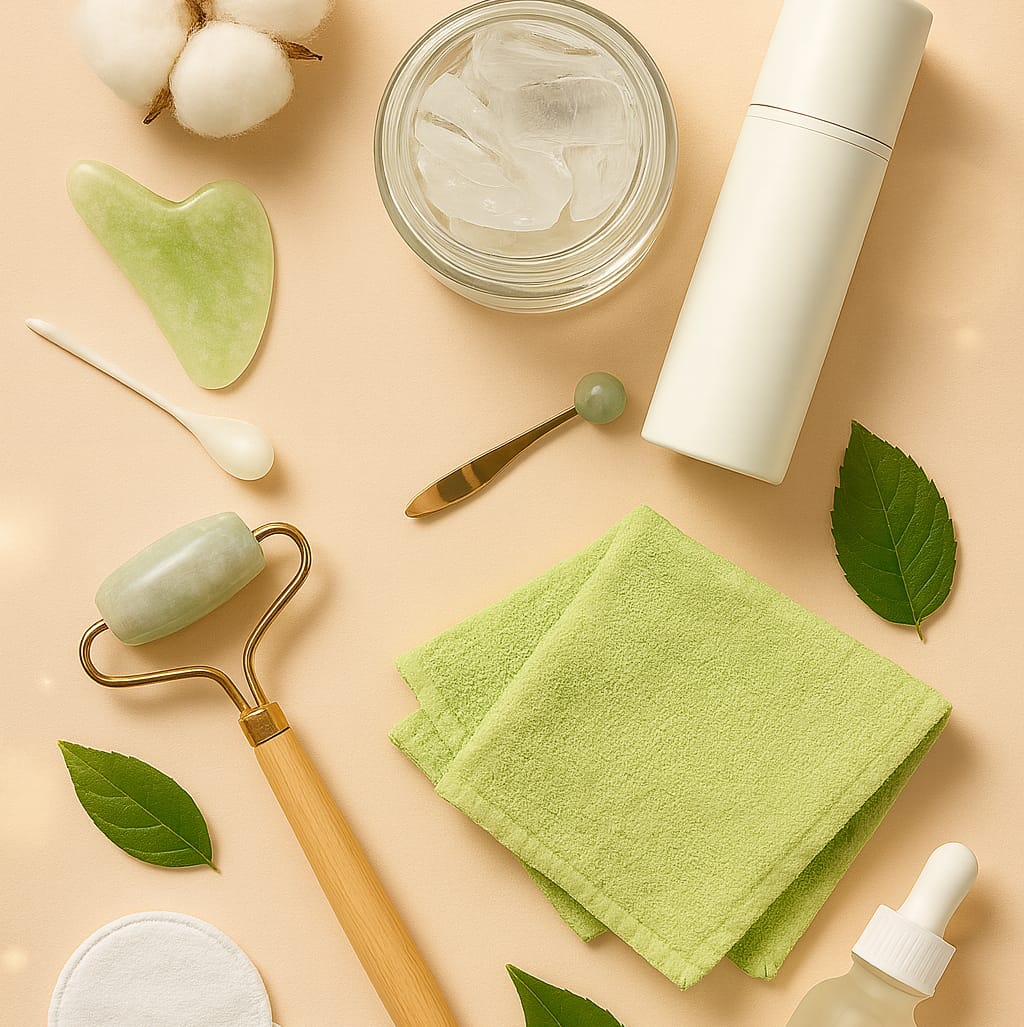
Skincare can feel like a maze, especially when you’re just starting out and trying to figure out what the best skincare tools are, which ones are actually helpful and which ones are just trending for the moment. With thousands of products and gadgets out there, it’s easy to feel overwhelmed or pressured into buying things that cost hundreds of dollars and end up collecting dust. But let’s get one thing straight, achieving good skin doesn’t require you to break the bank or follow a 10-step routine loaded with fancy devices.
Instead, it comes down to consistency, understanding your skin, and choosing the best skincare tools that genuinely support your goals. The aim of this post is to show you what tools are truly worth your time and money as a beginner in 2026. Think affordable, easy-to-use, and effective. Not everything needs to be high-tech to work. Sometimes, the simplest tools can make the biggest difference.
What are the Best Skincare Tools?
The best skincare tools are the ones that make your routine easier, more effective, and tailored to your skin’s needs. It’s not about how fancy or expensive something is, it’s about whether it works for you. That’s why I’ve focused on tools that are beginner-friendly, affordable, and practical. I also considered how widely accessible they are, how well they cater to different skin types, and how likely you are to actually use them regularly.
Each tool in this list has been chosen based on usefulness, ease of use, skin-friendliness (especially for sensitive types), and budget. Whether you’re dealing with dry skin, oily skin, or somewhere in between, these are some of the best skincare tools that can fit into your routine and help you get the results you want without the fuss.
This post may contain affiliate links. If you make a purchase through them, I may earn a small commission at no extra cost to you.
Table of Contents
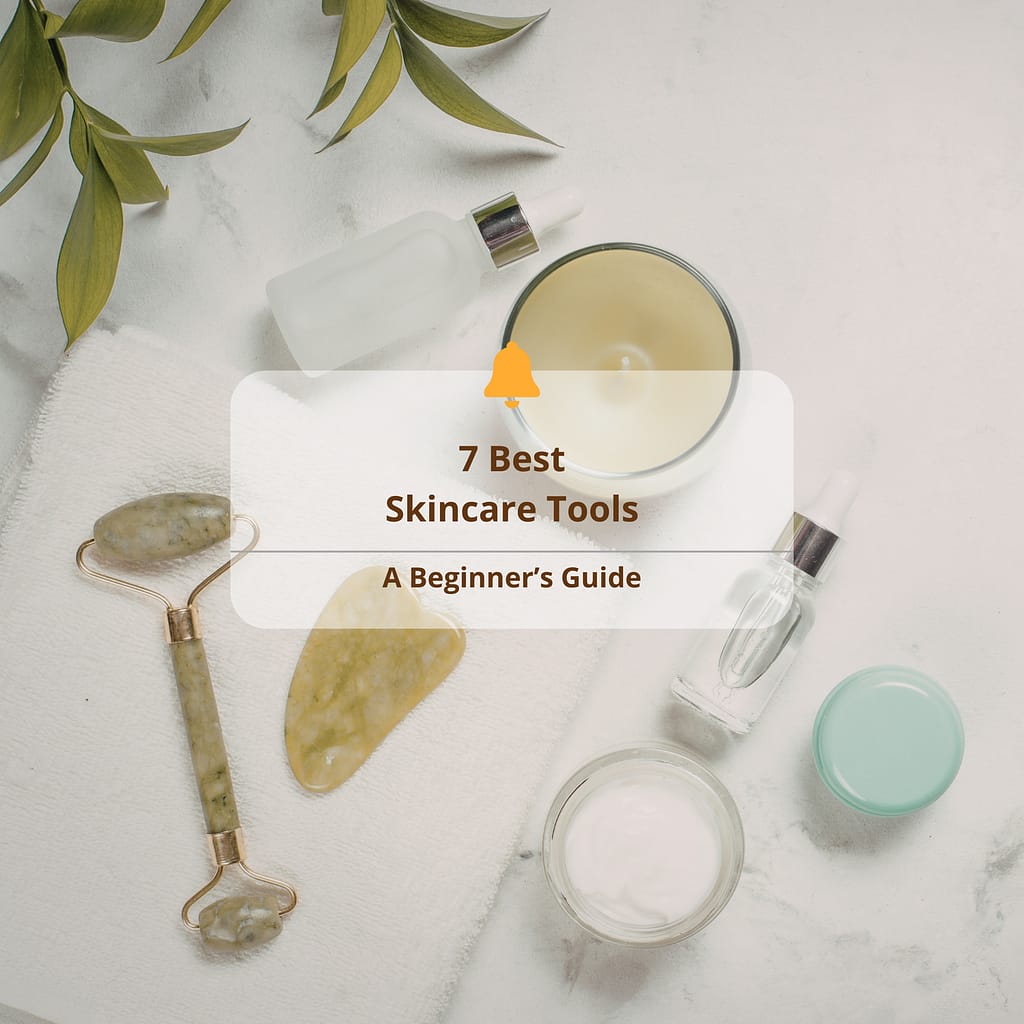
1. Silicone Facial Cleansers
Silicone facial cleansers are one of the best skincare tools and probably one of the most underrated. These handheld silicone brushes help give your face a deeper cleanse without the need for scrubbing with harsh bristles. They more expensive ones tend to be battery-operated, but the simpler version of these are manual and are made of non-porous silicone, which means they’re easy to clean and don’t hold onto bacteria like traditional bristle brushes.
The soft texture makes them gentle enough for daily use, even on sensitive skin. They’re also great for people who feel like their cleanser isn’t doing enough on its own. You don’t need to spend $200+ on some vibrating, app-connected tool when these silicone options can be picked up for under $20 and do the job well.
I’ve been using these for a couple of years now, and I have found that they’re long-lasting, so I’m not constantly replacing them. You can technically wash your face with your hands, but using the silicone cleanser makes me feel like my face is getting a deeper clean. I also like how the ones I have linked above have that gap in the back to slide your fingers in, keeping them steady during use. This is one of the best skincare tools on the list.
Pros:
- Gentle and non-abrasive
- Hygienic and easy to clean
- Affordable and widely available
- Helps lather and spread cleanser more evenly
- Long-lasting
Cons:
- Manual options require a bit more effort
- Some might overuse or apply too much pressure, leading to irritated skin
- Not always ideal for those with active acne or compromised skin
If you’re just starting out, this is one of the best skincare tools to upgrade your cleansing without adding steps or complexity.
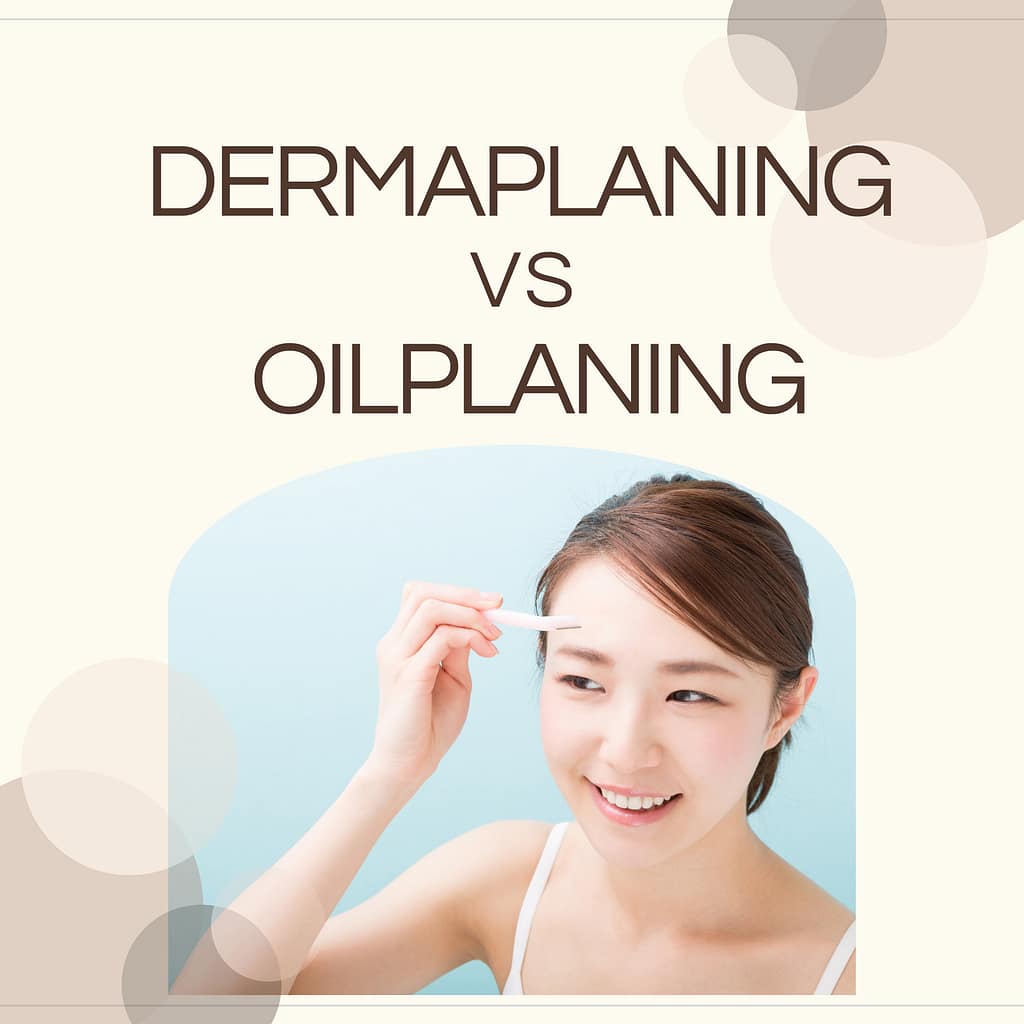
2. Dermaplaning/Oilplaning Razors
Dermaplaning tools are also one of the best skincare tools for gently exfoliating your face and removing peach fuzz. While the thought of shaving your face might sound intense, these razors are specially designed for facial skin and are much gentler than they seem. They’re easy to use at home and don’t require electricity or charging. Oilplaning is essentially the same technique as dermaplaning, but it’s adjusted to be more suitable for those with dry or sensitive skin. While traditional dermaplaning is done on clean, completely dry skin, oilplaning involves applying a thin layer of facial oil beforehand.
This added hydration creates more slip, reducing friction and helping to prevent irritation or micro-tears during the process. It can be a great alternative if you’ve found dermaplaning too harsh in the past. Because of its ability to gently exfoliate and remove peach fuzz while maintaining moisture, oilplaning with these razors has gained popularity as one of the best skincare tools for sensitive skin types. Dr Alexis has a great video on Dermplaning vs Oilplaning if you want a more detailed breakdown of the two.
I personally do oilplaning as I have dry and sensitive skin. I don’t do if often either, just once every few months when I feel I want that new, clean look. This may not be everyone’s preference, and that’s okay too. For me, I have found that I breakout less and that my skincare and makeup applies a lot smoother and evenly post shave. I used to use Rosehip Seed Oil to oilplane, but I stopped as I had closed comedones on my forehead (not because of the oil). However, this is a great choice for oilplaning and wonderful addition to your list of the best skincare tools.
A common myth surrounding dermaplaning/oilplaning is the fear that removing facial hair will make it grow back thicker, darker, or faster, but this simply isn’t true and Dr Stephens covers this in her video too. Dermaplaning removes only peach fuzz, which is naturally soft and fine. When you use a blade to remove it, you’re cutting the hair straight across, so as it grows back, the blunt edge might feel a little different, but the structure, thickness, and growth rate of the hair remain unchanged.
It doesn’t suddenly turn into coarse stubble. This misconception is widespread, but dermatologists agree that dermaplaning/oilplaning won’t trigger any unwanted hair growth. In fact, it’s become one of the best skincare tools for those looking to smooth texture, enhance product absorption, and improve makeup application, all without disrupting your natural hair cycle.
I like to use the Revlon razors linked above because they are very gentle compared to some other brands I have used previously. I find other brands to be sharper and I have ended up with a few cuts in the past. This is why the Revlon razors are one of the best skincare tools I own, they’re gentle but get the job done without me having to shave the same place multiple times.
Pros:
- Instantly smooths skin
- Enhances product penetration
- Affordable and travel-friendly
- Removes dead skin and peach fuzz
Cons:
- Requires careful use to avoid nicks
- Not recommended for inflamed acne or sensitive conditions like rosacea
- Does need replacement from time to time (don’t reuse a dull blade!)
You’ll figure out your rhythm and ideal frequency after a few uses, there’s no one-size-fits-all. Just remember to skip any harsh actives or strong exfoliants after shaving, since your skin will be slightly more vulnerable. I oilplane at night so I’m not exposing freshly shaved skin to direct sunlight right after. And of course, sunscreen the next day is non-negotiable. When used with care and consistency, dermaplaning razors can become one of your best skincare tools to boost your skin’s glow and texture.
3. Reusable Cleansing Pads
If you’re someone who uses toner, micellar water, or does oil cleansing, reusable cleansing pads are genuinely one of the best skincare tools to invest in. These are soft, washable alternatives to disposable cotton rounds and are usually made from materials like bamboo cotton or ultra-fine microfibre. What makes them so useful, aside from the environmental win, is how gentle they are on the skin. They don’t drag or irritate the face, which is especially important if you’re dealing with sensitivity, acne, or compromised skin barriers.
They’re also incredibly easy to maintain. Most sets come with a mesh laundry bag, so you can toss them in with your regular wash. And while you might not use them every single day, they’re great to keep in rotation for when your skin needs a break from rough textures or you’re trying to be more mindful with waste, making them one of the best skincare tools.
Pros:
- Environmentally friendly
- Soft and gentle on the skin
- Affordable and widely available
- Perfect for toners and light cleansing
Cons:
- Requires regular washing
- May not fully remove waterproof makeup
- Can stain over time with repeated use
For beginners, it’s an easy way to elevate your routine without investing in more complicated or expensive tools. Keep a few in rotation, wash them weekly, and you’re set.
4. Facial Misting Bottles
A refillable misting bottle might not seem like a “tool,” but hear me out, it can be one of the best skincare tools if you know how to use it right. Instead of buying overpriced mists that are 90% water, you can make your own using soothing ingredients like green tea, rice water, or thermal spring water.
Facial mists help hydrate your skin between steps, especially after cleansing and before moisturising. If you live in a dry climate or spend time in air-conditioned rooms, it’s a nice way to keep your skin feeling fresh throughout the day. Just don’t rely on it as your only source of hydration, it works best as a supportive step.
Pros:
- Customisable and affordable
- Helps refresh and hydrate skin
- Easy to use and carry around
- Can calm irritation or tightness
Cons:
- Doesn’t replace moisturiser
- Needs frequent cleaning to avoid bacteria
- Overuse can lead to dryness if not followed with moisturiser
For beginners, it’s a low-effort way to add hydration, especially during seasonal changes. It also makes your routine feel a bit more spa-like; without the cost.
5. Face Rollers (Optional)
Face rollers (jade, rose quartz, or stainless steel) have become popular again in recent years, though their benefits are mostly temporary. They’re one of the best skincare tools if your goal is to depuff, cool the skin, and give yourself a quick facial massage.
While they won’t sculpt your cheekbones or change your face shape, they do help promote circulation and reduce fluid buildup, especially around the eyes. Pop it in the fridge for an added cooling effect. It’s a nice calming ritual that can make your routine feel more luxurious, even if the long-term effects are minimal.
Pros:
- Soothes puffiness and irritation
- Feels cooling and relaxing
- Easy to use and doesn’t require power
- Can help with lymphatic drainage (temporarily)
Cons:
- Effects are not long-lasting
- Needs regular cleaning
- Some materials chip or break easily
If you enjoy skincare as self-care, a face roller can be a nice addition, but it’s by no means essential. Use it if you like the feel of it, not because it’s a must-have.
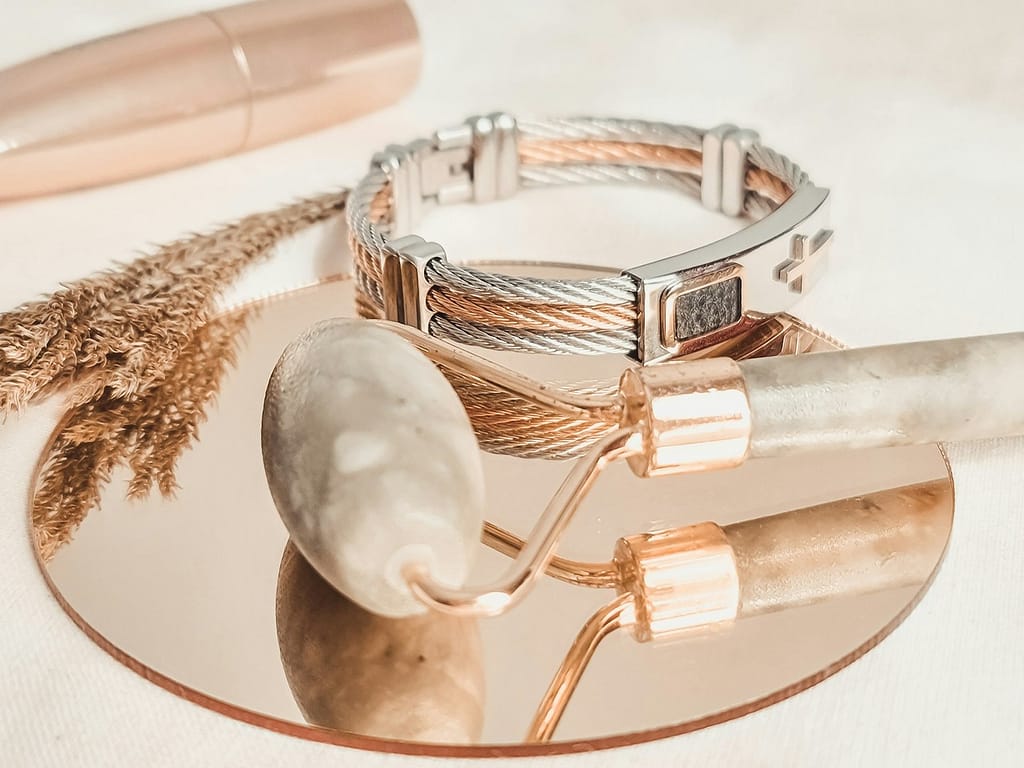
Photo by Edz Norton on Unsplash
6. Spatulas or Product Scoopers
Using your fingers to scoop moisturiser or masks from a jar might seem harmless, but it’s not the most hygienic. Product spatulas are one of the best skincare tools to maintain cleanliness and prevent bacteria from getting into your products.
They’re usually made of silicone or plastic, super affordable, and easy to clean (or you can get disposable ones in bulk like the ones I have linked above). Even if you only use them with certain products (like thicker creams or sleeping masks), it’s a small upgrade that helps you avoid contamination and preserve the quality of your skincare.
I use spatulas for all my creams that don’t come with one, they’re super easy to store right on top of the inner seal or underneath the lid, so I never lose them. The little dip in the middle helps scoop out just the right amount without making a mess. Since I usually apply my skincare right after cleansing, I just use the spatula to put the product directly onto my face.
Let’s be real though, I’m not out here sanitising it between every dip. If I double dip, it’s with clean skin. For me, it’s more about ease, getting the right amount, and not getting cream under my nails than some perfect sterile routine. It works. So I still get the convenience without wasting product on my fingers. It’s more about ease and portioning for me, hence why I included it in my kit of the best skincare tools.
Pros:
- More hygienic than dipping fingers into jars
- Easy to clean and reuse
- Prevents bacterial buildup
- Helps control product usage
Cons:
- Easy to misplace
- Some people find it annoying to use every time
- Doesn’t work for tubes or pumps
For a decent price, you get peace of mind and cleaner product use. Not essential, but definitely one of the best skincare tools for anyone who uses jarred products.
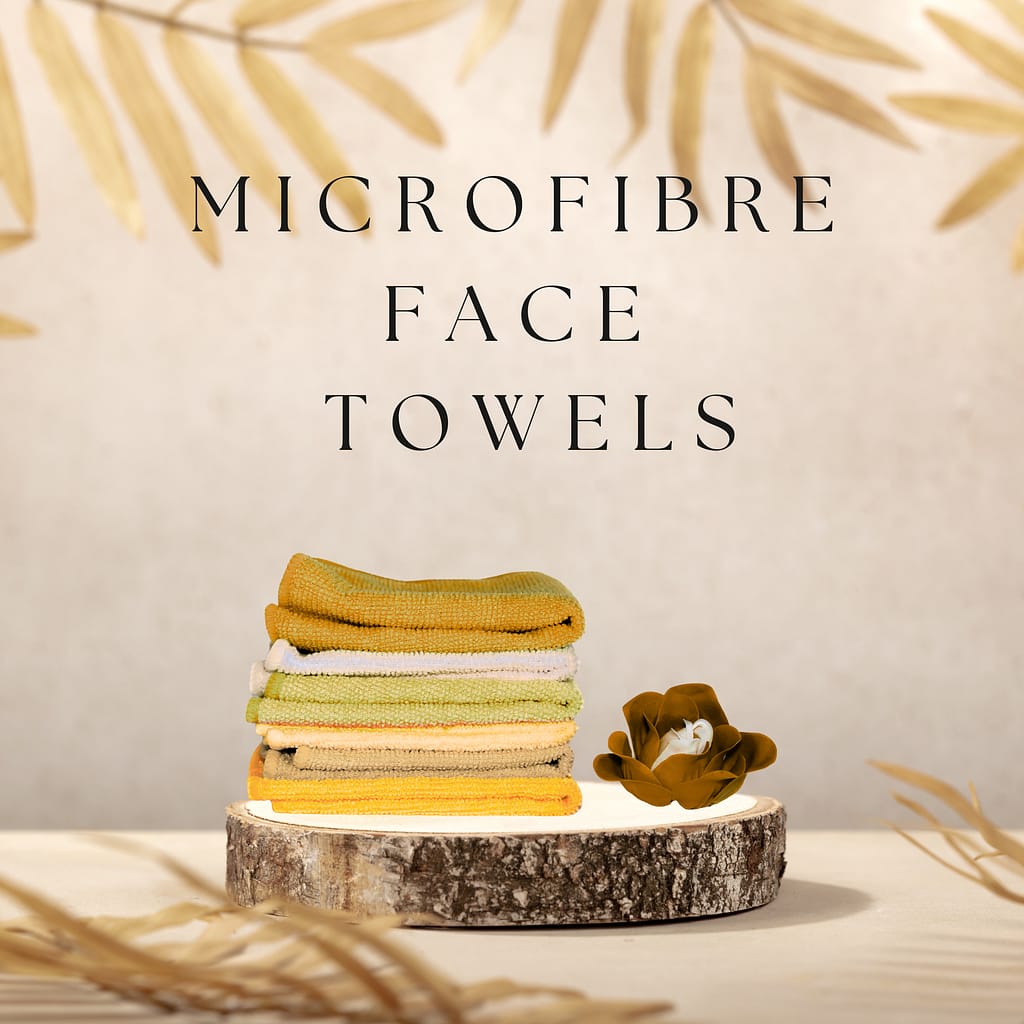
7. Microfibre Face Towels
I absolutely love microfibre towels and genuinely don’t know how I managed without them before. They’ve become a quiet staple in my routine and best skincare tools kit: soft, absorbent, quick-drying, and just so much gentler than traditional towels (which I refused to believe until I tried them). Regular bath towels, even if they seem clean, are usually way too abrasive for the delicate skin on your face. They can cause unnecessary friction, irritation, and sometimes even contribute to breakouts if they’re holding onto bacteria.
Microfibre towels, on the other hand, are designed to be smooth and non-abrasive. They glide over your skin effortlessly, making them especially useful for those with sensitive, dry, or acne-prone skin. I use mine after cleansing by lightly pressing (not rubbing) to remove water. It’s such a simple change, but you can really feel the difference, no tugging, no redness, and no weird scratchy texture. You can even use them to gently pat off clay masks or wipe away excess product without disturbing your skin barrier.
One of the reasons these towels rank among the best skincare tools in my opinion is how hygienic they are when compared to regular towels. They dry quickly, which makes them less prone to bacteria buildup, and they’re reusable, just throw them in the wash after a few uses. I recommend having a few on hand so you’re not reusing the same one every night. I personally own five to alternate between.
Pros:
- Super soft and gentle, ideal for sensitive or acne-prone skin
- Absorbs water quickly without tugging
- Dries fast and more hygienic than thick towels
- Reusable and eco-friendly
Cons:
- Needs frequent washing to stay clean
- Picks up lint if washed with other fabrics
- Once you try them, you won’t want to go back
If you’re trying to simplify your routine or just be kinder to your skin, microfibre towels are honestly one of the best skincare tools to invest in. They’re not expensive, they don’t require any effort to use, and they quietly elevate your skincare experience.
Conclusion
Skincare doesn’t have to be complicated or expensive. The best skincare tools are ones that support your routine, not overwhelm it. Whether it’s a gentle silicone brush to cleanse more effectively, a dermaplaning razor to boost glow, or something as simple as a reusable cleansing pad, the right tools make all the difference in creating a routine that works for you. You don’t need to buy everything at once. Start small, stay consistent, and choose tools based on your skin’s actual needs, not hype. With a thoughtful approach, you’ll not only save money, but you’ll build a routine that’s more effective and tailored to you, with a kit of your best skincare tools.
Disclaimer
I’m not a dermatologist, esthetician, or medical professional. These recommendations are based on my personal experience and further research. Always patch test new products and consult a professional for personalised advice.


