

If you’ve been trying to figure out how to stop procrastinating but every time you sit down to start something your brain just refuses to cooperate, you’re not alone. This isn’t the kind of procrastination where you don’t care. It’s the kind where you care too much, think too much, and still feel stuck.
You think about everything you need to do throughout the day, even when you’re supposed to be resting. It sits in the background of your mind, quietly stressing you out. And then when it’s finally time to actually do something, you feel drained before you even begin. That’s why learning how to stop procrastinating isn’t about forcing yourself to try harder. It’s about understanding why your mind is resisting in the first place.
For a lot of people, especially if you’ve grown up around pressure, expectations, or the feeling that you always need to be doing something productive, that mental load doesn’t switch off. It follows you into your rest time, your quiet moments, and your attempts to start again. So this guide is about how to stop procrastinating in a way that actually works when you feel mentally drained and overwhelmed, without making you feel worse.
Guide Overview
In this guide, we’re going to break down how to stop procrastinating by first understanding what’s actually causing it, and then working through simple, practical steps that help you move forward without overwhelming yourself.
We’ll start by looking at why it feels so hard to stop procrastinating when your mind is already full, because most advice ignores this completely. Then we’ll go through some steps that help you reduce pressure and rebuild a sense of control over your time and energy.
This is not about becoming perfect or suddenly disciplined overnight. It’s about learning how to stop procrastinating in a way that feels manageable, realistic, and sustainable.
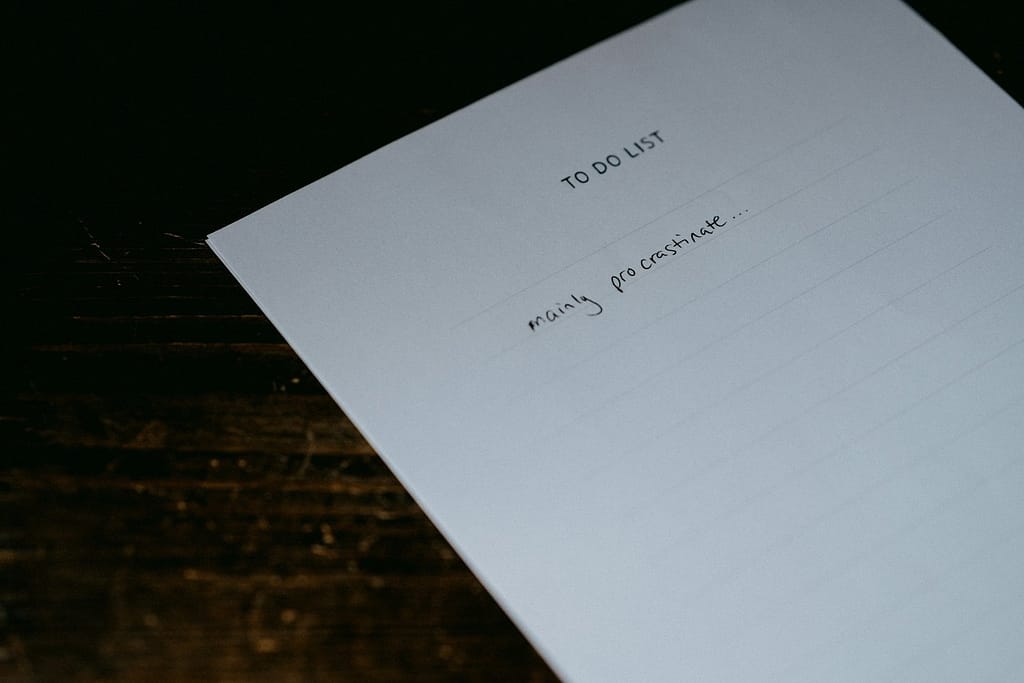
Table of Contents
1. Understand Why You Can’t Figure Out How to Stop Procrastinating
Before you can actually learn how to stop procrastinating, you need to understand why it’s happening. Because if you keep treating it like laziness, you’ll keep trying to fix it with discipline, and that doesn’t work when you’re mentally drained.
Most of the time, procrastination is not about avoiding work. It’s about avoiding the feeling that comes with the work. When your brain already feels overloaded, even small tasks can feel like too much.
One of the biggest reasons people struggle with how to stop procrastinating is mental exhaustion. Even if you haven’t done much physically, your mind might have been active all day. Thinking, worrying, planning, comparing yourself to others, replaying conversations; all of that drains your energy. So when it’s time to actually do something, you feel like you have nothing left.
Another reason is overwhelm. When a task feels too big, unclear, or important, your brain doesn’t break it down. It avoids it. Avoidance becomes a way to cope with something that feels mentally heavy.
There’s also pressure. Pressure to do things properly, to not fall behind, to meet expectations. This can come from your upbringing, your environment, or even cultural expectations around success and responsibility. When everything feels like it matters, starting feels harder.
And then there’s guilt. Guilt for not starting, guilt for wasting time, guilt for not being where you thought you’d be. That guilt doesn’t push you forward. It drains you further, which makes it even harder to act.
This is why learning how to stop procrastinating starts with understanding that you’re not avoiding things because you don’t care. You’re avoiding them because your mind already feels full.
2. My Personal Experience
I wanted to expand a little more on the piece around cultural expectations, because I know some of you will relate to this in ways that aren’t always spoken about openly. I grew up in a traditional South Asian household where the importance of performing well and being at the top was emphasised constantly.
It wasn’t just about school or exams – it was everything. Academics, tutoring, how you socialise in family settings, how you present yourself, how you carry yourself in daily life. There was always this quiet expectation not just to do well, but to seem put together, to appear like you had everything under control.
And I did all of that. I worked hard, I stayed consistent, and I learned how to present myself in a way that fit that image. The “perfect,” quiet, well-behaved South Asian daughter. The one who doesn’t cause problems, who does what she’s supposed to do, who looks like she has it all together on the outside. And I did it well. I wasn’t always first in everything, but I was always trying, always pushing; trying to get that validation of being just enough for once.
The problem is, it never was enough.
I remember one time I got 98% on a maths exam. For a second, I felt proud. And then almost immediately, that feeling disappeared and was replaced with anxiety over the 2% I lost because of a small mistake. It felt like everything collapsed in that moment, over something that, logically, shouldn’t have mattered that much.
Looking back, it was never really about that maths test. It was about what that moment represented. Over time, I learned to disconnect from pride. I stopped allowing myself to feel satisfied with what I had done, because there was always something missing, something that could have been better. And at the same time, I wasn’t just trying to meet internal standards, I was trying to maintain an image externally. To be seen as doing well. To look like I had it together. To fit into what “perfect” looks like in other people’s eyes.
That slowly turned into perfectionism, but not the kind people talk about lightly. It wasn’t just about wanting things to be good. It was about feeling like nothing I did would ever fully measure up, internally or externally. Like I had to meet a standard that didn’t really exist, but still felt very real.
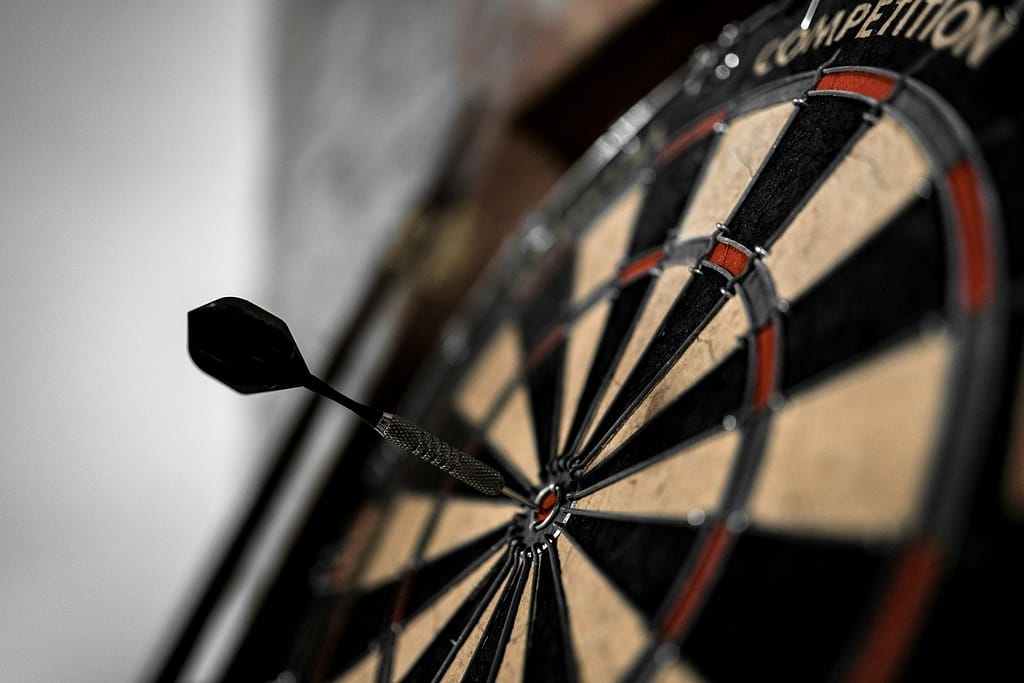
And the thing about perfectionism is that, deep down, you know it’s not achievable. You know those standards aren’t realistic, but they still sit there in your mind. So you end up in this strange cycle where you feel pressure to do something perfectly, while also knowing it will never actually feel good enough even if you try.
That’s where procrastination starts to make sense. This is the part people miss when they’re trying to understand how to stop procrastinating, because the issue isn’t just the task, it’s everything attached to it.
Because if you don’t start, or if you leave things until the last minute, you create a built-in reason for why something isn’t perfect. It protects you in a way. It softens the disappointment, because you can tell yourself you didn’t really try your best anyway. If it’s not perfect, it’s not because you weren’t capable, it’s because you didn’t give it everything.
In that sense, procrastination becomes less about avoidance and more about self-protection.
This is something people often miss when they’re trying to figure out how to stop procrastinating. It’s not always about discipline or time management. Sometimes it’s about the pressure sitting underneath your actions, the expectations you’ve internalised, and the fear that even your best effort won’t feel like enough, to you or to others.
And this doesn’t just show up in small things like assignments or daily tasks. It seeps into bigger areas of life too. People hold back from starting things they genuinely care about, like a business, a creative idea, or a new path, because a part of them believes it won’t matter anyway. If it can’t be perfect, or if it won’t feel like enough, then what’s the point?
It becomes hard to break out of this protective pattern because, over time, you stop seeing it as something you do and start believing it’s who you are; like you’ve become your procrastination.
3. Lower the Pressure Around What You’re Trying to Do
Once you understand what’s causing the resistance, the next step in how to stop procrastinating is reducing the pressure around your tasks. Because pressure is what turns simple things into overwhelming ones.
When you approach something thinking it needs to be done perfectly, quickly, or without mistakes, your brain sees it as something high-stakes. And when something feels high-stakes, your instinct is to avoid it.
So instead of asking yourself how to do something perfectly, ask yourself what the easiest version of starting looks like. Lower the standard on purpose. Give yourself permission to do a rough version, to take longer than expected, or to only complete part of the task.
This doesn’t mean you’re lowering your standards permanently. It means you’re creating a starting point that your brain can accept without resistance. And for many people, especially those who are used to high expectations, this is the missing step in how to stop procrastinating.
When the pressure drops, the task feels lighter. And when it feels lighter, it becomes easier to approach.
However, this is definitely easier said than done. When you’ve lived with these patterns your entire life, you can’t just flip a switch and shift your mindset and expectations overnight. Often, if you want to rewire your brain and challenge those core beliefs, you need the support of therapy.
For me, this was the only way I could start letting go of those perfectionist standards while learning how to stop procrastinating. It took time, and it required me to keep showing up for myself in ways I wasn’t used to. But over time, you begin to move out of your own way.
4. Start Small Enough That Your Brain Doesn’t Resist
A key part of learning how to stop procrastinating is understanding that the hardest part is not doing the task. It’s starting it.
That moment before you begin carries all the pressure, all the expectations, and all the thinking about how difficult it’s going to be. When your brain is already overwhelmed, that moment feels heavy enough to stop you completely.
So instead of trying to push through that resistance, you make starting smaller.
Starting doesn’t mean doing everything properly. It doesn’t mean committing to an hour of focused work. It means doing the smallest possible version of the task.
Open the document. Write one sentence. Read one page. Set a timer for five minutes and allow yourself to stop when it ends.
When you make starting this small, your brain doesn’t push back as much. The task feels manageable instead of overwhelming. And once you’ve started, it often feels easier to keep going.
Even if you don’t continue, even if you stop after a few minutes, you’ve still broken the cycle. And that’s an important part of how to stop procrastinating; showing yourself that starting is possible.

5. Create a Soft Structure Instead of a Strict Routine
When people try to figure out how to stop procrastinating, they often think they need a strict routine. But when you’re mentally drained and overwhelmed, rigid systems can make things worse.
Strict routines create pressure. They leave no room for flexibility. And when you can’t follow them perfectly, they make you feel like you’ve failed.
Instead, create a soft structure.
Choose a few priorities for the day instead of trying to do everything. Give yourself flexible time blocks instead of exact schedules. Allow your plan to adjust based on your energy.
This gives you direction without making you feel trapped. And when your system feels manageable, it becomes easier to stay consistent.
A soft structure works because it supports your current state instead of ignoring it. And that’s what makes learning how to stop procrastinating easier in real life, not just in theory.
6. Reduce Decision Fatigue Before You Even Start
Another important part of how to stop procrastinating is reducing the amount of thinking you have to do before you begin.
When your brain is already tired, even small decisions feel overwhelming. Deciding what to do, where to start, or how to approach something can drain your energy before you’ve even taken action.
So make things easier for yourself by planning ahead.
Decide your tasks before you start. Write down the first step clearly. Set up your environment so everything you need is ready.
When the path is clear, your brain doesn’t have to work as hard. And when your brain doesn’t have to work as hard, it’s easier to take action.
Reducing decision fatigue is one of the most practical ways for how to stop procrastinating, especially when your mind already feels full.
7. Let Yourself Rest Without Guilt
If you’re trying to learn how to stop procrastinating without addressing your need for rest, you’re going to stay stuck in the same cycle.
Rest is not something you earn after productivity. It’s something you need in order to function properly. But many people struggle to rest without feeling guilty (often an extension of perfectionism).
You might find yourself scrolling or lying down, but your mind is still active. You’re thinking about what you should be doing, what you haven’t done, and how you’re falling behind. That’s not real rest.
To actually recover your energy, you need to allow yourself to rest properly. That means stepping away without constantly judging yourself or thinking about your tasks.
This can be difficult if you’ve been taught to associate productivity with worth. But learning how to stop procrastinating also means learning how to rest without guilt; and I explore this further in my post How to Give Yourself Permission to Rest.
Because when your mind gets real rest, it becomes much easier to start again.

FAQ
Q: Why can’t I figure out how to stop procrastinating even when I want to change?
Because it’s not just about motivation. When you feel mentally drained and overwhelmed, your brain is already using a lot of energy. That makes it harder to act, even if you want to.
Q: Is procrastination a sign that I’m lazy?
No. Most of the time, procrastination is a response to stress, pressure, or overwhelm, not a lack of effort.
Q: How do I stop procrastinating when I feel exhausted?
Focus on small actions, reduce pressure, and prioritise proper rest. You can’t push through exhaustion with more pressure.
Q: What if I keep falling back into procrastination?
That’s normal. Learning how to stop procrastinating is a process, and progress comes from small, consistent steps.
Q: Will I ever completely stop procrastinating?
You may not eliminate it completely, but you can make it much easier to manage and move through.
What’s next?
Now that you have a clearer understanding of how to stop procrastinating, the next step is not to apply everything at once. Pick one thing from this guide and try it today. That’s enough. From here, you can start building a routine that supports your energy, or explore ways to create more structure in your life without overwhelming yourself.
You don’t need to rush. You don’t need to fix everything overnight. You just need to start moving again, in a way that actually feels manageable.


