

Taking care of your mental health isn’t about achieving constant happiness; it’s about learning how to care for yourself when things feel heavy. In a world that constantly pulls your attention in different directions, it’s easy to forget that your mind needs rest and nourishment too. This guide will help you reconnect with yourself, build gentle habits, and find small ways to feel grounded again.
This post may contain affiliate links. If you make a purchase through them, I may earn a small commission at no extra cost to you.
Table of Contents
Understanding Mental Health
Your mental health shapes how you think, feel, and act. It influences how you handle stress, connect with others, and make choices. Taking care of it means being intentional about what fills your mind and how you respond to life’s ups and downs.
You don’t need to have everything together. Taking care of your mental health is about creating space for yourself to breathe and heal and you don’t have to be in a state of distress before you start looking after it either.
We tend to our physical health consistently because we know a proactive approach keeps us healthy and functioning, whether that is through small movements, walks during lunch breaks or hitting the gym. Similarly, t’s important to adopt a proactive approach to looking after our mental health as well, but this often gets overlooked.

Photo by Kelly Sikkema on Unsplash
Creating Lasting Practices
Caring for your mental health happens in the small, consistent things you do each day:
- Take time to slow down, even five minutes of deep breathing can help reset your thoughts as they ground you to the moment you’re in.
- Journal your emotions instead of suppressing them, or schedule a call or meetup with a friend to have a vent session. It’s easy to feel like a burden and avoid reaching out, but think about how you’d respond if a friend came to you for support. We tend to be our harshest critics, while those who love us genuinely appreciate feeling needed from time to time.
- Spend time outdoors, sunlight and nature can gently lift your mood. We often get so caught up in the busyness of life that we actually forget to look around us.
- Protect your peace by learning to say no to energy-draining people and habits. This is definitely one of the more challenging boundaries to implement but it is so important to protect your peace in the long-term. If you’re still learning how to set boundaries in a healthy way, licensed therapist Nedra Glover Tawwab explores this beautifully in her book Set Boundaries, Find Peace.
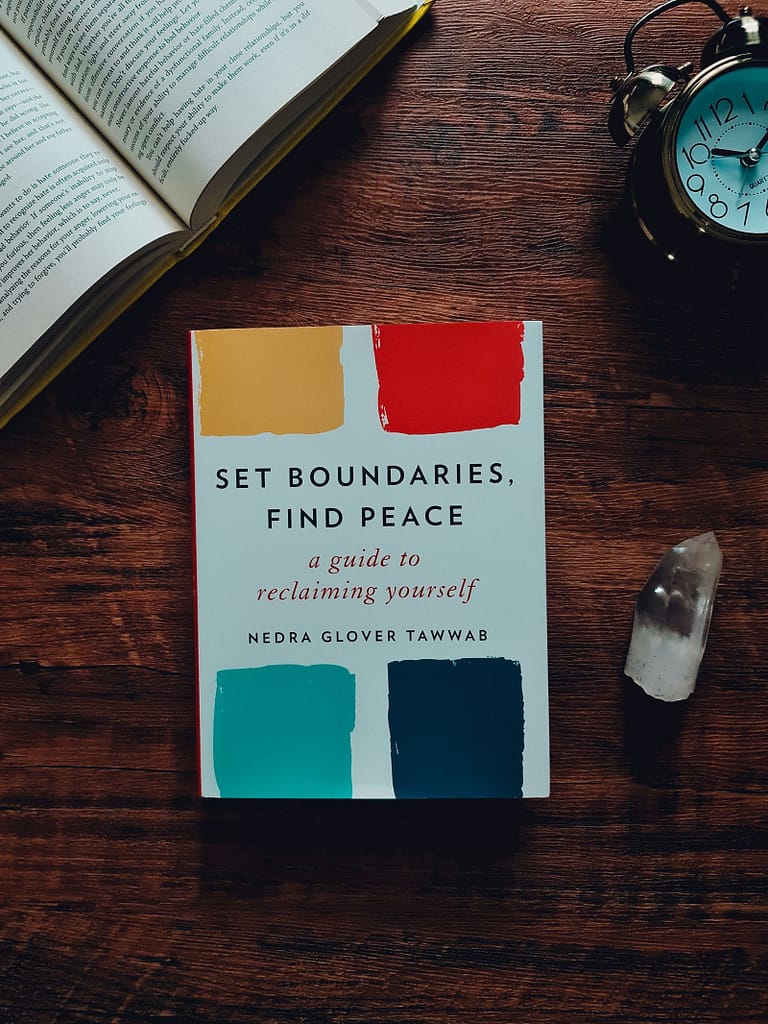
Photo by Edz Norton on Unsplash
Nourishing Your Mind and Body
Your mind and body are deeply interconnected. Simple shifts in how you care for your body can have a powerful impact on how you feel.
- Prioritise rest and healthy sleep.
- Move in ways that feel good such as walks, stretching, dance, or yoga. I find resistance bands helpful with form and pacing during stretches and light exercises (just remember to check the intensity of the band before you use it!)
- Eat foods that genuinely nourish you. This isn’t to say you need to limit yourself, but balance is key.
- Surround yourself with sights, sounds, scents, tastes and textures that feel soothing and safe. This will help ground you in your body and the present.
- Get enough and consistent hydration throughout the day.
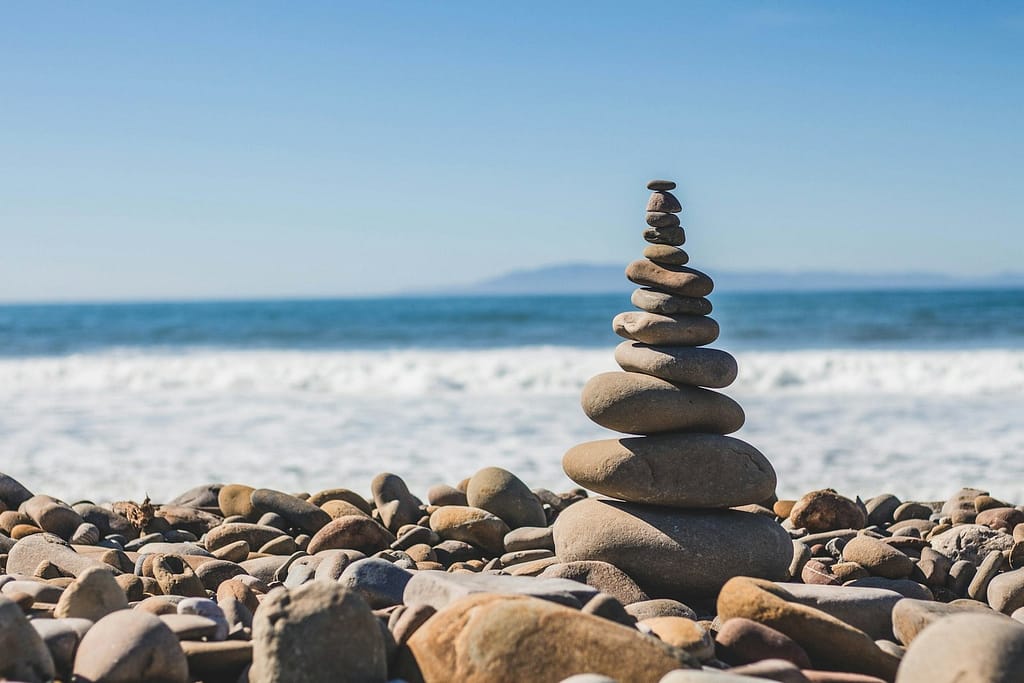
Photo by Jeremy Thomas on Unsplash
Seeking Support When You Need It
There’s strength in reaching out for help when you recognise you need it. Whether that’s talking to a friend, joining a support group, or speaking with a licensed therapist, sharing your feelings can ease the weight of what you’re carrying.
If professional help feels out of reach, there are free or low-cost community services, helplines, and online support spaces that can help guide you. If you are based in Australia, you can search for a therapist by area of concern and location on Australian Psychological Society’s website. The first step of reaching out is the hardest and you don’t need to rush yourself. Just remember you are taking steps towards a “better” you.
Disclaimer
I am not a mental health professional, and this post is not a substitute for professional care or diagnosis. The reflections and suggestions shared here are intended as gentle methods to support your well-being and not to replace therapy, medication, or medical advice. If you are struggling or in distress, please reach out to a qualified professional or trusted service.


Pingback: How to Start Gratitude Journaling in 2026 – A Simple Beginner’s Guide - rnworld
Pingback: Digital Connection vs. Real Connection 2025: Which Is Better for Your Well-Being? - rnworld
Pingback: How to Build Your Routine for 2026 - in 5 Simple Steps - rnworld
Pingback: 10 Best Skincare Products for Dry and Sensitive Skin (2025 Guide) - rnworld