

We live in a time when connection has never been easier, and yet loneliness feels more present than ever. Between messages, likes, and video calls, digital connection has become our default way to stay in touch. But does it really replace real, in-person connection? This post explores both sides, looking at how technology supports us and where it quietly takes something away.
This post may contain affiliate links. If you make a purchase through them, I may earn a small commission at no extra cost to you.
Table of Contents
Quick Comparison
If you’re short on time, here’s the verdict:
Digital connection makes it possible to maintain relationships across distance and time zones, but real connection still wins when it comes to emotional depth and fulfilment. The healthiest approach is finding balance, using digital tools to stay in touch while intentionally nurturing face-to-face relationships. Whilst real connection is important, digital connection has its upsides as well.

Breakdown
Digital Connection has many benefits to offer. In our busy day-to-day lives it’s often hard to find the time to have regular meet ups or chats with our loved ones. Due to our technological advancements, our loved ones are an instant text message, FaceTime or phone call away. This is especially useful when you are away from them. Back in the day, when you had to stay separate from your family and friends, the main method of communication was through written letters – these could often be lost or took a lot of time to be delivered and reciprocated. How lucky are we to be able to call a friend instantaneously and share the tea!
Social Media has changed the landscape of connection majorly. You not only stay up to date with your loved ones, but you now have access and insights in the lives of celebrities, strangers and that one person from high school you no longer speak to, but like to stay updated on. This is the type of connection face-to-face isn’t able to replicate.
While this is all great, real connection, on the other hand, provides nuance through tone, touch, shared energy, and the kind of empathy that can’t be replicated through screens.
There’s a sense of grounding and real-time presence that comes from being in the same physical space as someone: from reading their body language, hearing the tone of their voice, and feeling their energy. A simple hug, shared laughter, or even comfortable silence communicates more than words ever could through a text or video call (I’m sure we’ve all experienced the awkwardness of misconstrued tones over messages).
When you meet a loved one in person, the moment feels whole. There are no distractions from notifications or background tabs, it’s just two people, present with each other. You’re reminded of the subtle things that make relationships so special: the way someone’s eyes light up when they laugh, how they listen when you speak, or even the quiet moments in between conversation that feel effortless and safe.
Real connection also strengthens empathy. When we spend time together physically, we’re able to mirror each other’s emotions in ways that deepen understanding and trust. That’s something even the most advanced technology can’t recreate; it’s human, instinctive, and timeless.
While digital connection keeps us in touch, real connection keeps us rooted. It reminds us that love, friendship, and community are built not through pixels or posts, but through presence. It’s understandable that it may feel nerve-wracking sometimes to reconnect in person if you have grown accustomed to isolation and disconnection. Sometimes I too worry about what I can possibly talk about with certain friends if we meet up in person.
For example, I have some friends from ex workplaces and the only thing we have in common is that workplace. Now that I have moved on, I’m not sure what we could talk about other than our experience in those places. On the other hand, it also becomes an opportunity to expand the ways we are linked. Sometimes playing games like icebreaker conversation cards help to deepen your connection. I remember playing We’re Not Really Strangers a few years ago with one of my work friends. It allowed us to learn things about one another we otherwise wouldn’t talk about. It’s one of the core memories in our friendship for me.

Photo by Vida Huang on Unsplash
Personal Experience
I’ve had seasons where digital connection kept me afloat, late-night voice notes, friends across continents, comforting messages when I couldn’t be with anyone physically. But I’ve also felt the emptiness that comes when those moments end and the screen goes dark. It’s often felt like social media has somehow made me feel even more isolated and disconnected and this feeds into the autopilot I tend to run on in my day-to-day life.
In contrast, real connection, quiet meetups, shared laughter, or even comfortable silence grounds me in ways no online chat ever could. It feels like a breath of fresh air reconnecting with a friend face-to-face. Being in their presence alone has made me feel uplifted and rejuvenated many times. Our conversations become intentional rather than stressing about “when was the last time I replied to them”.
Each form of connection serves its purpose, but the balance is fragile and key.
The Price You Pay
Digital connection feels “free,” but the cost often shows up in subtle, hidden ways. It asks for your attention and it rarely gives it back. Every notification, message, or scroll keeps your brain in a constant state of alert, making it harder to focus and truly rest. Over time, that overstimulation drains emotional capacity. You may find yourself too tired to be present, too distracted to listen fully, or too numb to process your own emotions.
Real connection, meanwhile, takes more effort: time, vulnerability, and presence. You have to show up physically, listen intentionally, and sometimes sit in silence that can feel uncomfortable. But the reward is depth, the kind that technology can’t replicate. When you share space with someone, your nervous system relaxes, your empathy expands, and the connection feels whole.
It’s slower, yes, but that’s the point. Real connection doesn’t compete for your attention; it restores it. And in exchange for your effort, it offers something digital connection rarely can: long-term emotional stability, the quiet confidence that comes from being truly seen and heard.
Both come with a price. One drains; the other restores.
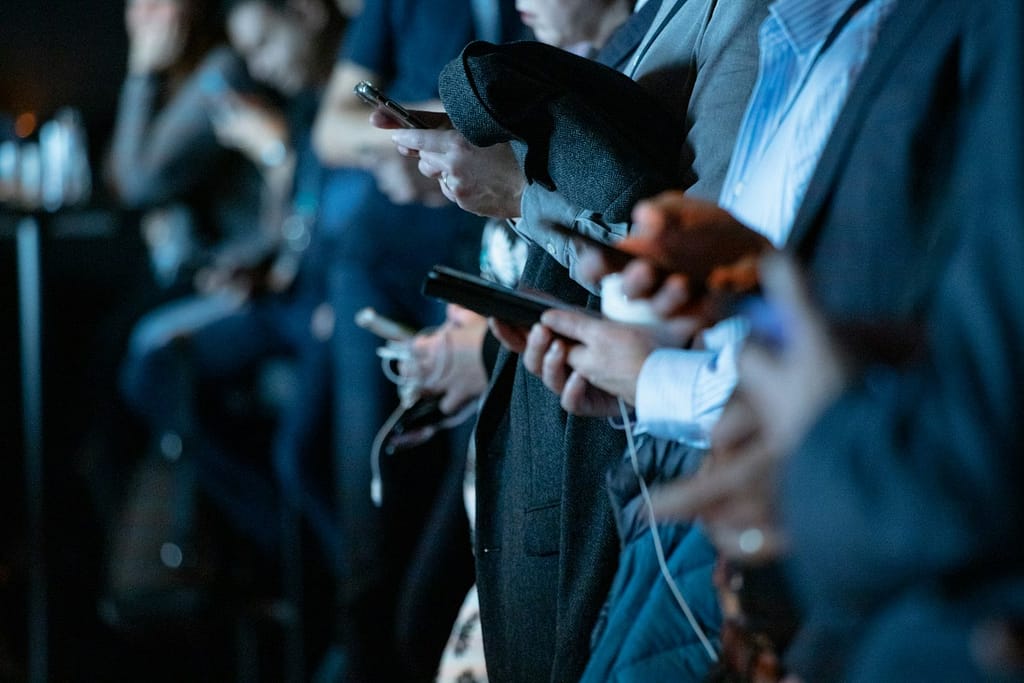
Photo by camilo jimenez on Unsplash
Pros & Cons
| Comparison | Digital Connection | Real Connection |
|---|---|---|
| Pros | Instant communication, global reach, accessibility, flexibility. | Emotional depth, trust building, shared energy, authentic empathy. |
| Cons | Surface-level interaction, screen fatigue, loneliness paradox. | Time-intensive, harder to maintain, requires vulnerability and effort. |
Alternatives
The healthiest alternative is hybrid connection: using technology intentionally to support relationships that also exist offline.
Examples:
- Sending a voice note instead of text to add warmth.
- Scheduling real meetups regularly even if you text daily. What has helped my friendship group is meeting up and making sure to set a date for our next meetup before we part ways. We don’t even make plans in that moment, but it helps us stick to it knowing we have a date booked in.
- Hosting digital group calls that lead to offline experiences later.
Connection doesn’t need to be one or the other, it just needs to feel real.
Emotional Well-Being
Constant online connection can trick your brain into thinking you’re socially fulfilled while your body still feels lonely. Real-world connection activates the parts of your nervous system that regulate safety, belonging, and oxytocin; things that texts can’t give you.
You also miss so much of what’s around you when your focus stays fixed on your phone. It can feel almost eerie to look up on a train ride and see a sea of bowed heads: everyone illuminated by their screens, faces blank, movements mechanical. There’s a heaviness in the air, as if everyone’s present but somewhere else entirely, connected to the world yet quietly disconnected from one another.
Creating balance is important and means setting boundaries with tech: putting your phone away during meals, having offline weekends, or creating no-scroll mornings. Because before you can truly connect with others, you have to come home to yourself. If you are constantly burnt out, overstimulated and disconnected, you won’t have the energy to go out into the world.
Real connection starts with self-awareness, noticing what you need, what drains you, and what restores you and also placing boundaries in your own habits. Instead of doomscrolling on social media, swap this time for some reading. You may find it hard to focus at the start because your mind is used to overstimulation, but even one page a day forms a steady habit. Some of my personal favourites in the fiction genre are: The Alchemist and Six Crimson Cranes , and in the non-fiction genre are: Set Boundaries, Find Peace, and The Universe Listens to Brave.
Conclusion: Which Wins?
In 2025, real connection remains the foundation of meaningful relationships. Digital connection can sustain bonds, but it can’t replace shared presence.
If you want lasting well-being, use your phone as a bridge, not a barrier. Stay in touch online, but keep making space for the people and moments that remind you what connection really feels like.


Pingback: Social Media vs Real Life in 2026 – Why the Gap Between Them Feels Bigger Than Ever: An Honest Take - rnworld
Pingback: How to Enjoy Life More in 2026 – A Realistic & Balanced Guide for Repetitive Days - rnworld