
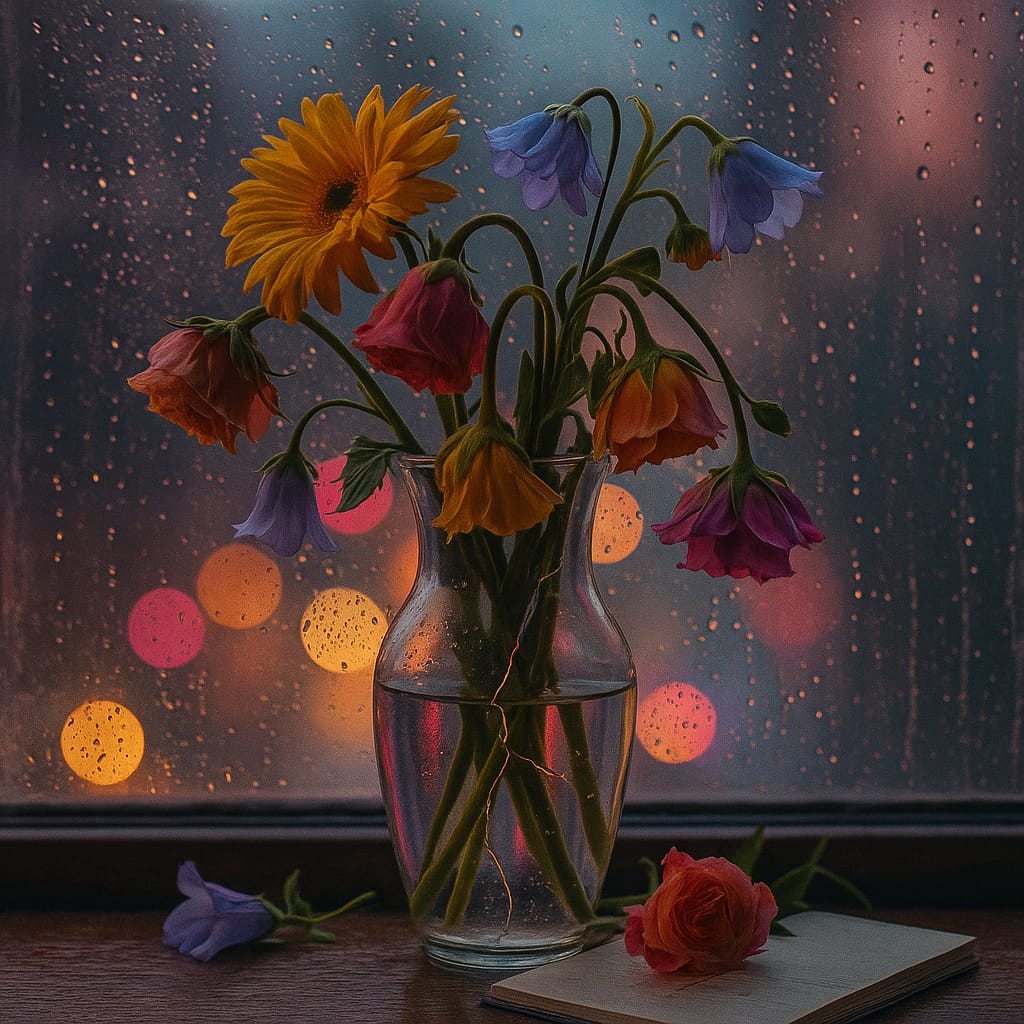
Learning how to deal with relationship breakdowns is one of the most painful and disorienting experiences you can move through. Whether it’s the collapse of a romantic relationship, a friendship drifting apart, or a painful shift within family dynamics, the loss hits deeply because it represents more than just a person, it’s the collapse of expectations, emotional safety, identity, and the version of yourself that existed with them. This guide isn’t about “fixing” anything quickly. It’s about recognising the emotional landscape you’re moving through, validating your pain, and gently guiding you back into yourself with compassion.
This post may contain affiliate links. If you make a purchase through them, I may earn a small commission at no extra cost to you.
Overview
When a relationship begins to fall apart, it can feel confusing and overwhelming. One moment you’re trying to fix things, and the next you’re questioning whether the connection you once had still exists. This guide walks through the emotional and practical steps involved in navigating a relationship breakdown with clarity and compassion. You’ll explore how to understand what’s truly ending, process the emotions that come with it, and recognise when you may have outgrown the relationship.
The aim is to help you move through difficult conversations, hold boundaries with care, and find a sense of closure, even when it doesn’t come from the other person. Whether the relationship is romantic, a friendship, or within your family, these reflections are here to help you make sense of the experience and move forward with greater self-understanding.
Table of Contents
Allow Yourself to Recognise What’s Ending and Give it Space
The first step in how to deal with relationship breakdowns is acknowledging that something meaningful has changed. Instead of forcing acceptance immediately, give yourself space to name what hurts. Identify:
- What part of you is grieving
- What expectation was broken
- What version of the relationship you’re mourning
This isn’t weakness, it’s emotional clarity. You can’t begin healing if you’re still trying to convince yourself that “it wasn’t a big deal.” I’ve often seen, and have myself fallen into this trap multiple times. Sometimes the pain is too great to bear, that we create this bubble around the part of ourselves that is hurting. This avoidance provides false security and we start pretending like everything is fine; sometimes without even intentionally meaning to do so.
This works for a little while, but eventually it all catches up to you, often by surprise. Distracting yourself isn’t necessarily a bad thing, because it keeps you from becoming consumed in your grief. However, there is a difference between distracting yourself to avoid, vs distracting yourself to nudge your emotions in a more regulated direction. Remember, what you resist will persist.
Think of it like this:
You’re walking down a path and you accidentally step on a thorn.
The pain hits sharply at first, so you stop for a moment.
But you convince yourself you don’t have time to deal with it, so you keep walking, hoping the discomfort will fade.
It doesn’t.
Every step pushes the thorn deeper and deeper until the pressure becomes unbearable.
What could’ve been handled gently at the surface now hurts far more because you avoided it.
You don’t heal by pretending it isn’t there, you heal by stopping, acknowledging the pain, and removing what’s hurting you, slowly but surely.

Photo by Annie Spratt on Unsplash
Separate the Situation From Your Self-Worth
Breakdowns often trigger the belief that you were the problem, or that you weren’t enough.
But learning how to deal with relationship breakdowns means untangling your identity from someone else’s behaviour. Sometimes people enter your life only for a season and others for a reason. Those who are meant to stay will stay without it feeling like you have to change the composition of the Earth to keep them, and those who are not – well even if you change the composition of the Earth for them, it won’t keep them.
Ask yourself:
- Was this a mismatch of needs?
- Was this person capable of giving what I asked for?
- Was the loss about me, or about who they are?
- Am I grieving the relationship or more so the version that I lost when I was with them?
Sometimes old relationships have to shed to make space for new things in our lives. It doesn’t mean you or they were bad or evil people, it’s just the flow of life. The wave that comes to the shore eventually flows back to the ocean, but with each moving wave, comes a new one.
It’s important to recognise when a relationship is no longer meeting your emotional needs. The first step is to try and prevent relationship breakdowns is to communicate how you feel. Sometimes, whether it’s your partner, friend, family etc. they won’t know how you feel, your hurt and disconnection is all being lived in your mind without you realising it. If you find that communicating brings no change either, it may just be time to let go (which is easier said than done, but it isn’t impossible).
When Communication Isn’t the Right Approach
It’s crucial to remember that “just communicate” isn’t a universal rule to reviving relationships, some relationships are better off ending, especially when you are losing yourself in it.
Communication only works when both people are:
- Willing to meet in the middle
- Safe
- Respectful
- Emotionally regulated & mature
- Capable of listening without becoming defensive
- Able to take accountability
A big part of learning how to deal with relationship breakdowns is understanding that not every relationship can be repaired with communication. Sometimes the safest and healthiest choice is distance. If a relationship is emotionally unsafe, one-sided, dismissive, manipulative, or repeatedly draining, distancing yourself is not failure, it’s self-preservation.
Regulate Before You Reflect
You can’t think clearly while your body is in survival mode. One of the most overlooked steps in learning how to deal with relationship breakdowns is calming your nervous system first. Before analysing the situation, do something grounding:
- Breathe deeply or meditate
- Stretch
- Journal without needing answers
- Sit outside
- Take a warm shower
- Lie down with your hand on your heart
Regulation makes the emotional terrain walkable instead of overwhelming when dealing with relationship breakdowns.
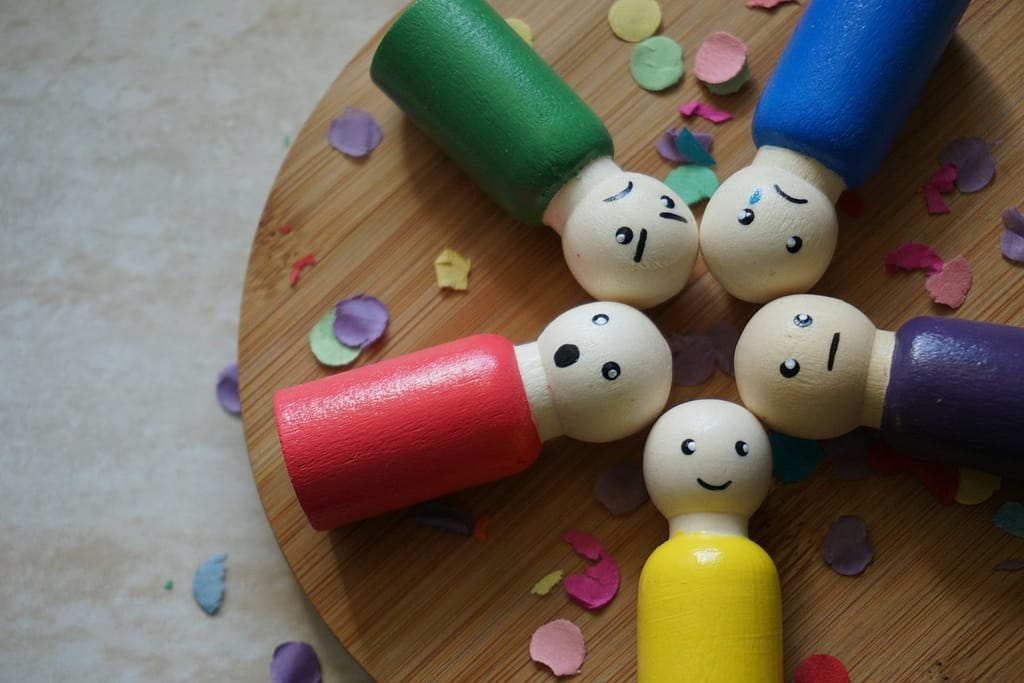
Photo by Joanne Glaudemans on Unsplash
Let Yourself Feel the Real Emotion (Not the Surface One)
Many people get stuck because they only feel the loud emotions: anger, betrayal, panic, instead of the true emotion underneath: grief, disappointment, abandonment, loneliness, loss of safety.
Sometimes we think we’re angry when we’re actually heartbroken.
Sometimes we think we’re numb when we’re deeply hurt.
Sometimes we think we’re fine when we’re quietly collapsing.
My therapist always says to me that anger is a secondary emotion, usually when we feel angry it stems from a primary emotion such as pain, heartache, betrayal, injustice etc. Secondary emotions serve a purpose too, they allow us to protect ourselves and hold ourselves together. However, to truly process, you need to identify and work through your primary emotions.
Understanding how to deal with relationship breakdowns involves asking yourself:
- “What is this really about?”
- “What need of mine went unmet?”
- “What part of me feels abandoned?”
- “Why does this hurt so much?”
When you meet the real emotion, the healing becomes softer, not heavier. It’s also important to remember, that while trying to logically process relationship breakdowns is helpful, it doesn’t replace the emotional processing either. You need to understand and feel those emotions to be able to heal.
When You’ve Outgrown Someone
Another deeply overlooked part of learning how to deal with relationship breakdowns is recognising when the relationship isn’t breaking because something went wrong… it’s breaking because you grew.
Signs you’ve outgrown someone:
- You shrink yourself around them
- Conversations don’t land anymore
- Your emotional needs changed
- The connection feels mismatched
- Their presence and energy drains you
- Your growth makes them uncomfortable
- You feel guilty for needing more
Outgrowing someone isn’t cruelty.
It’s evolution.
It’s a natural, painful, and valid part of relationship breakdowns.
Holding Boundaries With Someone You Love
One of the hardest but most essential parts of how to deal with relationship breakdowns is learning to hold boundaries even with people you love deeply.
Boundaries aren’t punishments. They are clarity.
They tell someone what hurts you, what overwhelms you, and what you cannot continue allowing.
Some relationships blossom with boundaries while others collapse because the entire connection depended on you having none.
If relationship breakdowns occur once you stop abandoning yourself, the relationship didn’t end because of the boundary, it ended because of what the boundary exposed.
This, too, is part of how to deal with relationship breakdowns. Boundaries aren’t easy to implement, especially if you have had people pleasing tendencies your whole life. It will feel uncomfortable, you will feel guilt, you will feel mean as well, but protecting your peace doesn’t make you a savage and neither does voicing your concerns.
Once you can overcome the discomfort, they become a lot easier to implement and hold. Just remember, not everyone will follow or are obligated to follow or respect your boundaries; but you get to choose how to respond to those who show disrespect and give pushback by limiting, or even ending the relationship.
Licensed therapist Nedra Glover Tawwab breaks down step by step how you can set boundaries in her book Set Boundaries, Find Peace.
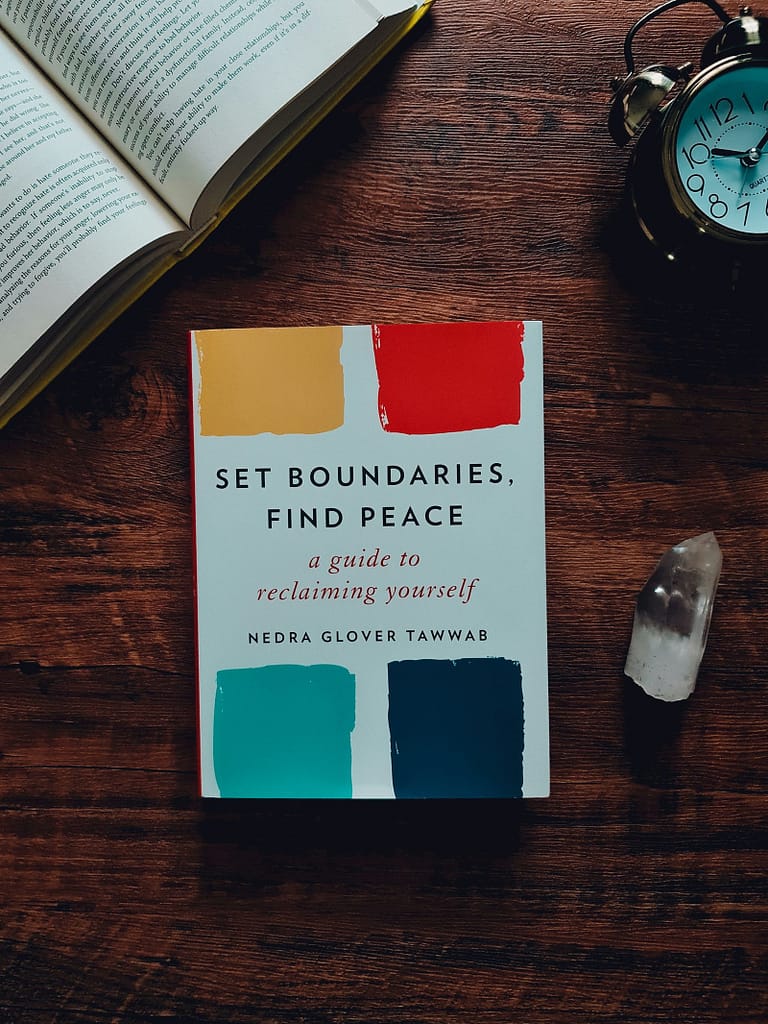
Photo by Edz Norton on Unsplash
Create Gentle Closure – Even If It’s One-Sided
Not every relationship ends with a conversation, an apology, or understanding. Many end quietly, painfully, or through avoidance.
Part of learning how to deal with relationship breakdowns is creating closure on your own terms without waiting for someone who may never show up.
This can look like:
- Writing an unsent letter
- Allowing yourself to say “this hurt me” internally
- Acknowledging the good and the bad
- Recognising what the relationship taught you
- Releasing the version of you that lived only in that connection
Closure isn’t something you receive.
It’s something you create when you’re ready.
Romantic Relationship Breakdowns
Romantic endings are one of the most emotionally intense forms of relationship breakdowns. You’re not just grieving the person, you’re grieving the version of yourself who existed with them and the future you imagined together.
Romantic grief is layered, unpredictable, and deeply human. Your heartbreak is valid. It’s normal to experience a whole rollercoaster of emotions: pain, heartbreak, anger, resentment, defeat, lightness, ease of breathing…
Healing from any kind of relationship breakdown isn’t linear and neither is healing. It’s like being on a rollercoaster, some days you’ll be slowly climbing to the top, and the next you’re heading full speed downwards, until one day you realise you’ve gotten off the ride.
The best thing you can do for yourself during a breakup is to give yourself grace and space to feel every emotion and heartache. If you can, surround yourself with your support network and keep reminding yourself that relationship breakdowns don’t make you unlovable or unworthy – they bring you one step closer to being with the people who belong in your life, including yourself.
If you’d like extra support during this time, I’ve also created a Heartbreak Healing Workbook with guided reflections and exercises designed to help you process heartbreak and reconnect with yourself.
Friendship Relationship Breakdowns
Friendship endings are deeply painful and often overlooked. Yet they hold some of the deepest emotional intimacy you’ll ever experience.
Understanding how to deal with relationship breakdowns means acknowledging that losing a friend can feel like losing a timeline of your life and a piece of yourself – from shared memories, inside jokes to comfort, identity, belonging.
Friendship grief is real grief.
The beauty of healing is that two things can exist at once – you can miss someone immensely even while knowing you don’t ever want to go back to them.
Family Relationship Breakdowns
Family relationships breakdowns are some of the most complex breakdowns, because they blend love, guilt, cultural expectations, childhood wounds, enmeshment and emotional history.
Sometimes distance is not disrespect, it’s protection. You’re allowed to choose emotional safety over obligation. We’re all wired to need the closeness to our families, so imagine how much pain and hurt you truly had to endure to reach a stage where you have to consider letting your family go. It isn’t easy but oftentimes it is so necessary for your mental health.
One thing that may help in navigating the decision to go low or no contact is thinking: “Would I put up with this behaviour or feeling in an external relationship like a marriage, friendship, workplace?” If the answer is no, you are allowed to (and should) hold your family to the same standards. Disrespect isn’t diluted and digestible just because it comes from family.
You are not wrong for redefining what family means to you.

Photo by Randy Peters on Unsplash
FAQ
Q: How long does it take to heal after a relationship breakdown?
Healing isn’t linear. Some people stabilise in weeks, others in months, and for deeper connections, it can take longer. What matters more than time is whether you’re processing the emotions, regulating your nervous system, and building support around yourself.
Q: Should I reach out for closure?
Reaching out rarely gives real closure. Most people either minimise, deflect, or give vague answers that leave you more confused. Closure comes from accepting the truth of the relationship breakdowns, not from the person who hurt you.
Q: How do I know if communication will help or make things worse?
If communication has historically been unsafe, dismissive, manipulative, or draining, then it’s unlikely to help now. Conversations only work when both people can regulate themselves, listen, and take accountability. If not, silence and distance are the safer choice.
Q: What if I outgrew someone but feel guilty leaving the relationship?
Outgrowing someone is a natural part of becoming who you are. You’re not abandoning them, you’re growing. The best thing to do is be honest with them, because creating distance that they don’t understand can leave them feeling confused and hurt. Also guilt usually comes from old patterns of self-abandonment, not from wrongdoing.
Q: How do I hold boundaries without feeling like I’m being mean?
Boundaries are not rejection, they’re clarity. They’re simply a statement of what you can and cannot tolerate. If someone interprets your boundary as “meanness,” they were benefiting from you not having boundaries. As long as your boundary isn’t harming anyone then it is valid.
Q: What if they come back after I’ve created space?
Before responding, ask yourself:
- Are they consistent now?
- Are they emotionally safe?
- Have they taken accountability?
- Do they respect your boundaries?
If not, distance is still the right choice. There is always a reason behind relationship breakdowns.
Q: How do I deal with a romantic relationship breakdowns that feel unfinished?
Romantic grief feels unfinished because attachment doesn’t switch off instantly. Give yourself space, stop revisiting old conversations, and don’t chase narratives that don’t exist. Healing happens when you stop trying to rewrite the ending.
Q: Why does friendship grief hurt more than romantic grief sometimes?
Friendships hold identity, shared history, belonging, and emotional safety. Losing a friend can feel like losing the version of yourself who existed with them, which can be even more painful than a breakup.
Q: How do I handle family relationship breakdowns without guilt?
Guilt often comes from cultural expectations or childhood roles – it’s taught not inherent. Remind yourself that emotional safety is not optional, and distance from harmful patterns is not betrayal, it’s protection.
Q: Is it normal to still care about someone I’m distancing myself from?
Yes. Distance doesn’t erase love. You can care about someone and still choose not to be close to them. That is emotional maturity, not confusion.
Q: How do I know if I’m actually healing?
Signs of healing include:
- You react less intensely
- You can think about them with neutrality
- You stop trying to change the past
- You accept what happened without spirals
- You feel your self-worth returning
Healing is a shift in how you feel, not how fast you feel it.
What’s next?
Learning how to deal with relationship breakdowns is the beginning of rebuilding your inner world. Now that you’ve acknowledged the loss, regulated your emotions, and begun separating your identity from the ending, your next steps are to gently strengthen your connection with yourself.


