
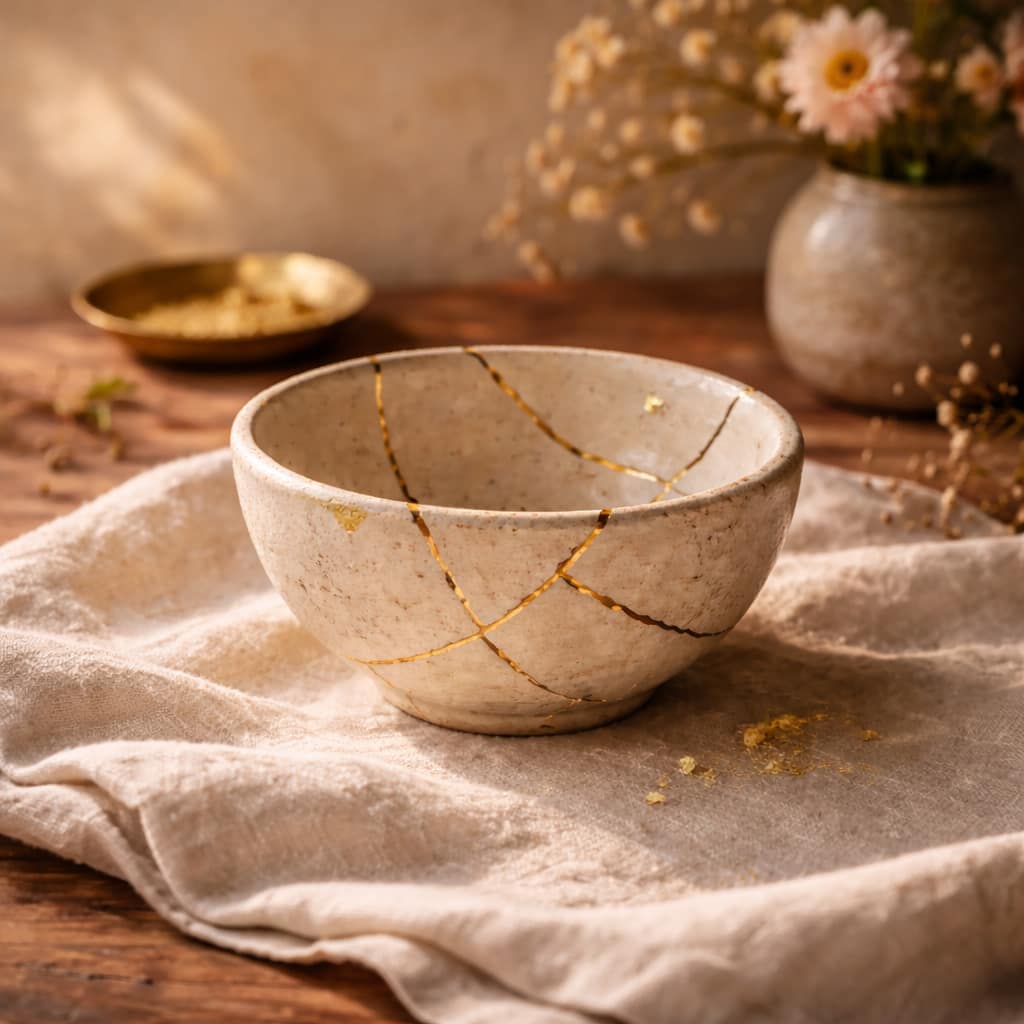
There is a belief many people carry quietly when it comes to feeling deserving of love; often without realising how deeply it shapes their lives. It sounds subtle, almost reasonable, and is rarely questioned: Once I am better, then I will be worthy of love. Once I’m more healed. Once I’m more confident. Once I stop being so sensitive, emotional, messy, uncertain, or inconsistent.
This belief doesn’t usually come from arrogance or avoidance. It often comes from pain. From learning, early on or repeatedly, that love was conditional. That connection arrived when you were easy to love and disappeared when you were not. Over time, you may have internalised the idea that you must reach some invisible standard before you are truly deserving of love.
In a world saturated with self-improvement, healing language, and constant messaging about becoming your “best self,” it’s easy to feel you have to curate yourself a certain way to be deserving of love. Growth begins to feel like a prerequisite for connection rather than a process that can unfold alongside it. You may find yourself delaying intimacy, softness, or vulnerability until you feel more complete.
But perfection does not exist. There is no final version of you that arrives fully healed, fully secure, and permanently certain. You are not failing because you are still evolving. You are human.
This guide is for anyone who feels they must earn love by being better, calmer, more healed, or more put together. It is for those who quietly question whether they are deserving of love as they are. Not someday, but now. Not after fixing themselves, but while they are still becoming.
Guide Overview
This guide is designed to gently challenge the belief that you must be perfect or fully healed to feel deserving of love. Rather than offering quick fixes or motivational platitudes, it walks through a grounded, compassionate process of understanding where this belief comes from, how it shows up in your life, and how to slowly loosen its hold.
You will be guided through steps that focus on awareness rather than urgency, self-compassion rather than self-correction, and honesty rather than performance. The aim is not to rush you into confidence or force a new mindset, but to help you reconnect with a truth that may have been buried under years of conditioning: that you are already worthy of connection, care, and love, even while you are still growing.
Each step builds on the last, creating a framework you can return to whenever feelings of unworthiness surface. This is not a linear journey. It is an ongoing relationship with yourself.
This post may contain affiliate links. If you make a purchase through them, I may earn a small commission at no extra cost to you.

Photo by Valentina Ivanova on Unsplash
Table of Contents
1. Understand Where the Belief That You Are Not Deserving of Love Comes From
The belief that you are not deserving of love is rarely innate. No one is born believing they must earn affection through perfection. This belief is learned, often slowly and subtly, through lived experience.
For many, it begins in childhood. Love may have been inconsistent, conditional, or emotionally unavailable. You may have received praise when you were compliant, successful, or helpful, and withdrawal when you were emotional, needy, or struggling. Even when caregivers did their best, emotional attunement may not have been consistent enough to create a sense of unconditional safety.
In other cases, this belief may have been shaped by repeated criticism, harsh words, or emotional invalidation that gradually eroded a sense of safety and self-worth. When “love” is consistently paired with being corrected, dismissed, or made to feel like too much, it’s natural to begin internalising the idea that acceptance must be earned to be deserving of love. Acknowledging this isn’t about assigning blame or reliving the past, but about recognising that these experiences can leave lasting impressions, and that struggling with worthiness later in life is an understandable response, not a personal failing.
Others develop this belief later, through romantic relationships, friendships, or environments where love felt unpredictable. Being left, replaced, dismissed, or emotionally neglected can lead the mind to search for reasons. Often, it lands on self-blame. If I were better, this wouldn’t have happened.
Cultural messaging also plays a role. Productivity, appearance, emotional regulation, and resilience are often tied to worth. Healing spaces, while well-intentioned, can sometimes reinforce the idea that you must fix yourself before you are deserving of love.
Understanding where this belief came from is not about assigning blame. It is about recognising that this belief formed at some stage and that it once served a purpose. It helped you make sense of pain. It helped you survive environments where love felt uncertain.
But what protected you then may now be limiting you. Recognising this is the first step toward loosening its grip.
2. Separate Healing From Worthiness
One of the most harmful ideas quietly circulating in modern healing culture is the notion that worthiness comes after healing. That once you are regulated enough, self-aware enough, or emotionally stable enough, you will finally be deserving of love.
Healing is not a finish line. It is not something you complete before life begins. It is an ongoing process that shifts and deepens as you move through different seasons of life.
And when it comes to healing, no single person is meant to be the sole source of your emotional fulfilment, not even yourself.
If worthiness is tied to healing, then love is always postponed. There is always another layer to work through, another pattern to unpack, another part of yourself to refine. The goalposts keep moving because you will always keep evolving.
Being deserving of love does not mean being free of triggers, fears, or old wounds. It means being human. It means having a nervous system shaped by experiences, some of which were painful.
Healing does not make you worthy. You are already worthy, and healing is something you do because you deserve care, not because you must earn it.
Separating healing from worthiness allows you to pursue growth without using it as a weapon against yourself. It creates space for compassion alongside accountability.

Photo by DESIGNECOLOGIST on Unsplash
3. Redefine What Readiness for Love Actually Means
Many people delay connection because they believe they are not “ready” for love. Readiness is often imagined as emotional perfection: no insecurity, no anxiety, no fear of abandonment, no confusion.
But readiness does not mean being untriggerable or flawless. It means having enough awareness to notice what is happening inside you and respond with honesty rather than self-betrayal. It means having the ability to not project these triggers onto another/recognising when you have.
Readiness can look like recognising when something feels unsafe and naming it. It can look like asking for reassurance instead of pretending you don’t need it. It can look like taking space without disappearing. It can look like choosing repair over withdrawal.
You do not need to have every answer or every tool to be deserving of love. You need only the willingness to stay present with yourself and others.
When you redefine readiness this way, you stop disqualifying yourself from connection simply because you are still learning. You allow love to coexist with growth.
4. Notice How the Belief Shows Up in Your Daily Life
The belief that you are not deserving of love often operates quietly in the background of your life. It influences decisions, reactions, and patterns in ways that can be easy to miss.
You may overexplain yourself, fearing that your needs are unreasonable. You may avoid asking for support, believing it would be a burden. You may tolerate inconsistency or emotional unavailability because it feels familiar. You may feel uncomfortable when someone shows up consistently, waiting for the moment it disappears.
This belief can also show up internally. You may criticise yourself for having emotional needs. You may tell yourself you’re asking for too much. You may postpone joy or connection until you feel more “together.” These feelings may also come together and make you feel that you need to remain invisible and hide away from the world, because you learned that minimisation = safety.
Noticing these patterns without judgment is essential. Awareness creates choice. When you can see how the belief operates, you can begin to interrupt it gently rather than being driven by it automatically, and you can slowly turn these into the reality where you are deserving of love.
5. Learn to Sit With the Discomfort of Receiving Love
For many people, receiving love is more uncomfortable than giving it. Compliments may feel suspicious. Kindness may feel temporary. Care may feel like something that must be repaid.
This discomfort is not a sign that you are incapable of love. It is often a sign that your nervous system is not used to safety.
When love has been inconsistent or conditional, receiving it can trigger fear. Fear that it will be taken away. Fear that you will be exposed. Fear that you will disappoint.
Instead of forcing yourself to accept love confidently, start by allowing the discomfort to exist. Notice the urge to deflect, minimise, or dismiss care. Gently remind yourself that you are deserving of love even when it feels unfamiliar.
Receiving is a practice. One that unfolds slowly, through repetition and patience.
When I was younger, I found it incredibly hard to accept compliments. My nervous system would brace itself, almost waiting for the moment the person would laugh or say it was just a prank. Even when the compliment came from a trusted friend, I would instinctively deflect it, responding with things like, “No, I’m not, that’s all you.”
Over time, I began to notice how this reinforced a deeper belief that I was not enough, which quietly fed into the idea that I wasn’t deserving of love. I didn’t start by fully believing the kind words people offered me. I simply began receiving them by saying “thank you,” even when my body still felt unsure.

Photo by Kateryna Hliznitsova on Unsplash
6. Stop Using Perfection as a Form of Self-Protection
For many people, perfection is not about high standards. It is about safety. If you can just get everything right, say the right thing, feel the right amount, and react the right way, then maybe love won’t leave.
Perfection becomes armour. It promises protection from rejection, shame, and abandonment. But it comes at a cost. When you are constantly monitoring yourself, there is very little room left for ease or intimacy.
Living this way keeps love at a distance because you can never actually reach a stage of perfection. People may see a polished version of you, but not the real one. And deep down, the belief that you are not deserving of love unless you are “perfect” remains intact.
Letting go of perfection does not mean letting go of responsibility or growth. It means allowing yourself to be human in front of others. It means accepting that mistakes, uncertainty, and emotional messiness are not proof that you are unlovable. They are proof that you are alive.
You do not become more deserving of love by shrinking your humanity. You become more connected by allowing it to be seen.
Being seen is one of the hardest things to allow, especially if you learned to minimise your existence in order to stay safe. This is where books like The Gifts of Imperfection, Attached and Radical Acceptance can gently support you in reframing what you believe are flaws, and in planting the seed that you are enough and deserving of love as you are.
7. Allow Yourself to Be Chosen Without Performing
When you feel undeserving of love, you may unconsciously try to earn it through effort. You listen more than you speak. You give more than you receive. You make yourself useful, agreeable, or endlessly understanding.
This kind of over-giving is often mistaken for love. In reality, it is a strategy to secure connection without risking rejection and results in a lack of protective boundaries.
Love that requires constant performance is exhausting. It reinforces the idea that your natural self is not enough. That you must always offer something extra to be worthy of staying.
Allowing yourself to be chosen without performing is deeply uncomfortable at first. It asks you to trust that someone can care about you without you proving your value. It asks you to believe that you are deserving of love even when you are resting, quiet, or unsure.
This does not mean withdrawing effort entirely. It means noticing when effort comes from fear rather than desire. And gently choosing honesty over self-erasure.
Real love (not just romantic) allows space for mutual respect, acceptance and rest without requiring any performance. It includes balance between giving and receiving. Love exists in these spaces simply because you are, not because you have done or become something to make yourself more deserving of love. Within it, protective boundaries can exist without being crossed or questioned, and over time, it begins to feel like home.
For the longest time, I struggled with feeling unworthy of love. I gave to my own detriment, believing that if I was of no use to someone, then I wasn’t deserving of love at all. Of course, this never kept anyone, because those dynamics were never healthy to begin with. Still, each ending reinforced the same painful belief: I will always fall short. Look at how people still leave even when you do everything for them.
This was the version of love I was taught: sacrifice masked as selflessness, depletion framed as devotion, unlimited access without boundaries. Over time, it hollowed me out and left me feeling like a shell of myself.
Learning about boundaries changed everything. Set Boundaries, Find Peace reshaped how I began showing up for myself and for others. At first, setting boundaries came with guilt, and with anger for the injustices I had endured for so long. But over time, both softened. What remained was a deeper love for myself, and a quiet but firm commitment to protecting my energy.
This opened the doorway for me to begin rewiring my understanding of myself, and to believe that I am deserving of love simply for being.

Photo by Edz Norton on Unsplash
8. Learn the Difference Between Accountability and Self-Punishment
Many people confuse accountability with harshness. They believe that if they are kind to themselves, they will stagnate. That if they stop criticising themselves, they will stop growing.
But self-punishment does not create lasting change. It creates shame, fear, and avoidance. Accountability rooted in self-compassion, on the other hand, creates safety. And safety is what allows growth to happen.
You can acknowledge patterns that no longer serve you without using them as evidence that you are not deserving of love. You can take responsibility for your behaviour while still offering yourself understanding.
Being deserving of love does not mean being free from impact. It means knowing that your worth is not erased by your mistakes.
Growth that comes from compassion is slower, but it is far more sustainable.
If you find yourself struggling with self-forgiveness after a relationship breakdown, it can help to work through these thoughts more intentionally. Writing them down often creates clarity that reflection alone cannot.
Inside the Heartbreak Healing Bundle I created, I included guided exercises specifically designed for this stage of healing, including pages on reclaiming your sense of self-worth and practising self-forgiveness after difficult relationships.
9. Let Yourself Be Seen While You Are Still Evolving
One of the quietest fears many people carry is the fear of being seen mid-process. Not at the beginning, when expectations are low. Not at the end, when everything looks resolved. But in the middle, where things are still tender and unclear.
You may fear that if someone sees you while you are still figuring things out, they will decide you are too much or not enough. That they will leave once they realise you are not finished.
But the truth is, no one is finished. Everyone is evolving, even those who appear stable or secure. The difference is that some people allow themselves to be seen in motion, while others hide until they feel complete.
Letting yourself be seen does not require oversharing or emotional exposure with everyone. It means allowing select, safe people to witness your humanity without rushing to clean it up.
Each time you are met with care instead of rejection, the belief that you are undeserving weakens.
10. Understand That Love Is Not a Scarce Resource You Compete For
When you feel undeserving of love, it can feel scarce. Like something that must be fought for, protected, or rationed. You may compare yourself to others, wondering why they seem easier to love or more chosen.
This mindset often comes from experiences where love was limited, inconsistent, or withdrawn. But love is not a finite resource. It is not awarded only to the most healed, attractive, or accomplished.
Believing you are deserving of love does not take love away from anyone else. It does not require you to be better than someone. It simply requires you to step out of competition and into self-recognition.
You are not behind. You are not failing. You are not less deserving because your path looks different.
11. Practice Receiving Without Immediately Giving Back
If receiving love feels uncomfortable, you may instinctively try to balance it. Someone does something kind, and you rush to return the favour. Someone offers support, and you minimise your needs.
This reflex often comes from a belief that receiving creates debt. That you must give something back quickly to justify what you received and be deserving of love.
Practicing receiving without immediately giving back can feel deeply unsettling. But it is also one of the most powerful ways to challenge the belief that you are not deserving of love.
Start small. Let someone compliment you without deflecting like I did. Accept help without apologising. Allow care to land without turning it into a transaction.
For some, this discomfort is less about generosity and more about overstimulation, a pattern explored in The Highly Sensitive Person, which helps normalise why receiving care can feel intense rather than nourishing at first.
Receiving does not make you selfish. It allows connection to flow both ways.

Photo by Lina Trochez on Unsplash
12. Release the Idea That You Need to Be Consistent to Be Worthy
Another quiet belief tied to perfection is the idea that you must be consistent to be loveable. That changing your mind, shifting your needs, or growing in new directions makes you unreliable or difficult.
But evolution is not instability. It is a natural part of being human.
You are allowed to learn new things about yourself. You are allowed to refine your boundaries. You are allowed to outgrow old versions of yourself.
Being deserving of love does not require you to stay the same to keep others comfortable. It requires honesty and self-respect.
People who are safe to love will grow with you, not demand that you stay frozen.
FAQ
Q: Will believing I am deserving of love make me complacent or stop me from growing?
No. In fact, self-worth creates the foundation for meaningful and sustainable growth. When you believe you are worthy, change becomes an act of care rather than punishment. Growth driven by self-compassion is far more likely to last than growth driven by shame or self-criticism.
Q: Is it fair to seek connection while I am still healing?
Yes. Healing does not happen in isolation. Healthy relationships often support healing rather than delay it. Wanting connection does not mean you are avoiding responsibility for yourself, it means you are human and wired for relationships.
Q: How do I stop feeling undeserving of love altogether?
This belief rarely disappears all at once. Instead, it softens over time through experience. Through moments of being met with kindness, choosing gentler self-talk, and allowing yourself to receive care without deflecting it. Oftentimes professional help via therapy can help you unlearn these beliefs when they are deeply rooted.
Q: What if the belief that I am undeserving of love keeps coming back?
If this belief resurfaces, it does not mean you have failed or gone backwards. It usually means an old wound is asking for reassurance. Responding with patience rather than frustration is part of the healing process.
What’s Next?
After reading this guide, the next step is not to fix yourself or rush into change. It is to notice. Notice when the belief that you are not deserving of love shows up. Notice how it influences your choices, your boundaries, and your self-talk. From here, you might explore related reflections on nervous system safety, attachment patterns, or self-compassion practices that support worthiness without perfection.
You may find it helpful to read about choosing secure connection, learning how to receive care without guilt, or releasing productivity as a measure of value. Most importantly, you can begin practicing one simple truth in small, everyday ways: you are allowed to be loved while you are still becoming. You do not need to reach a final version of yourself to be deserving of love. Perfection does not exist. Growth does not disqualify you. And connection is not something you earn once you are finished.
You are already enough to be met where you are.


Pingback: How to Learn What Healthy Love Feels Like in 2026 – A Nurturing Guide - rnworld
Pingback: A How to Guide on Dealing With Uncertainty in 2026 – The Full, Honest & Grounded Edition - rnworld