
Preparing for your first solo trip can feel like standing at the edge of something exciting and terrifying at the same time. You want the freedom, the growth, and the confidence that comes with travelling alone, but you’re also carrying a lot of questions. Am I ready? What if something goes wrong? What if I feel lonely? What if I plan it badly?
The truth is, learning how to prepare for your first solo trip isn’t about eliminating fear or becoming a different person overnight. It’s about creating enough structure, support, and self-trust that you can move forward without overwhelming yourself. You don’t need to do everything perfectly. You just need a way to begin that feels steady.
This guide is designed to walk you through how to prepare for your first solo trip in a way that’s practical, realistic, and emotionally supportive. No pressure to be fearless. No expectation to have it all figured out. Just clear steps that help you feel ready enough to go.
Guide Overview
This guide breaks down how to prepare for your first solo trip into manageable steps that build confidence gradually. We’ll cover choosing a beginner-friendly destination, planning logistics without over planning, preparing emotionally for travelling alone, building safety into your plans without feeding anxiety and creating flexibility so your trip doesn’t feel rigid or performative. Each step is designed to reduce overwhelm while helping you feel informed and capable.
This post may contain affiliate links. If you make a purchase through them, I may earn a small commission at no extra cost to you.
Photo by Jerry Zhang on Unsplash
1. Choose a Destination That Supports Your First Solo Trip
One of the most important decisions when you prepare for your first solo trip is choosing a destination that works with you, not against you. Social media often glorifies difficult, chaotic, or extreme travel experiences, but your first solo trip doesn’t need to be a test of endurance.
When you prepare for your first solo trip, look for destinations that are:
- Easy to navigate
- Well connected by public transport
- Known for being safe for solo travellers (especially if you are a woman)
- Familiar in language or culture, if possible
This doesn’t mean your trip has to be boring or uninspiring. It simply means choosing a place where the logistics won’t drain all your energy. The easier it is to get around, the more space you’ll have to actually enjoy the experience.
A helpful question to ask while you prepare for your first solo trip is: Will this destination make my first experience feel supportive or stressful? You can always plan more challenging trips later.
Depending on where you’re based, there’s often a government travel advisory site that helps indicate the level of risk for different destinations. These sites are designed to support safer decision-making, not to scare you out of travelling altogether. For example, if you’re Australia-based, Smarttraveller provides up-to-date travel advice for many countries. Destinations are typically colour-coded and classified into categories such as “do not travel,” “reconsider your need to travel,” “exercise a high degree of caution,” or “exercise normal safety precautions.”
It’s important to remember that this guidance doesn’t have to be your final deciding factor. Some countries may be flagged due to conflict or instability in specific regions that you wouldn’t realistically visit, while major cities and tourist areas may still be widely considered safe due to high levels of tourism and infrastructure. Use these advisories as one input in your planning, alongside personal research and practical judgement, rather than treating them as an absolute rule.
2. Get Clear on What You Want This Trip to Feel Like
Many people skip this step when they prepare for their first solo trip, but it shapes everything that comes after. Before you book anything, take a moment to reflect on what you actually want from this experience.
Do you want rest or adventure? Structure or flexibility? Exploration or familiarity? There’s no wrong answer, but clarity here helps prevent decision fatigue later.
When you prepare for your first solo trip with your desired feeling in mind, planning becomes simpler. You’re less likely to overpack your itinerary or push yourself to do things that don’t align with your energy. This step helps you design a trip that supports you rather than overwhelms you.
Also be sure to consider whether you want to travel for scenery or for activities. For example, people who prefer nature and scenery generally don’t enjoy cities like Dubai much, as it is more activity-based. In this scenario somewhere like Oman would be better suited for them.
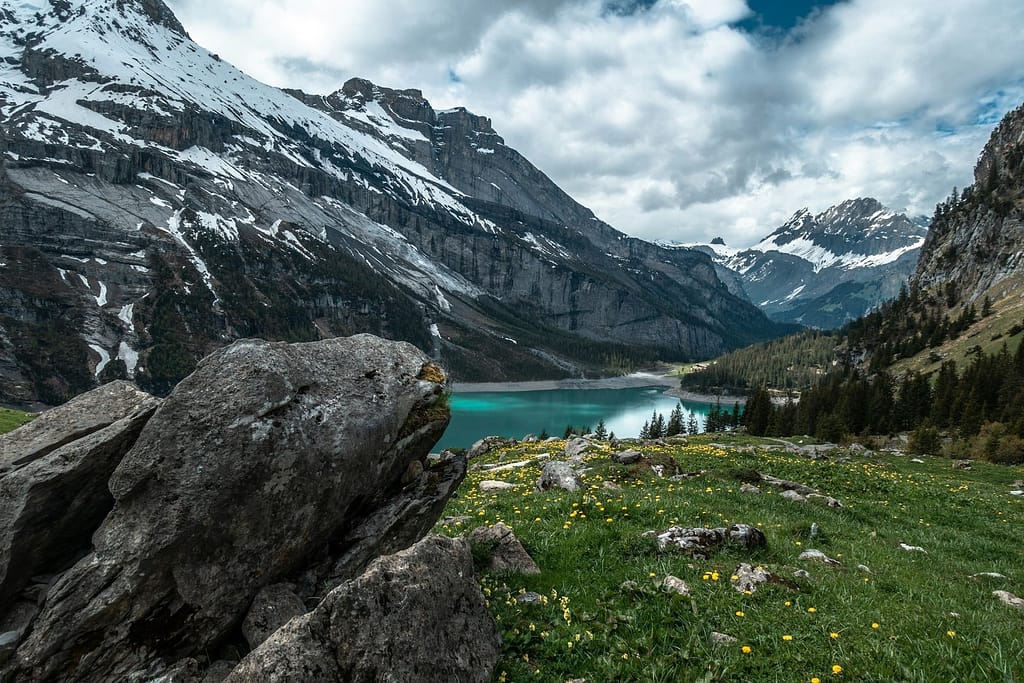
Photo by Pascal Debrunner on Unsplash
3. Plan the Essentials Without Turning It Into a Performance
A common mistake when people prepare for their first solo trip is trying to plan everything down to the minute. While preparation is important, over planning can create unnecessary pressure, especially when you’re travelling alone.
When you prepare for your first solo trip, focus your energy on securing the essentials:
- Transport to and from your destination
- Accommodation
- Arrival logistics
- Important documents and backups
Once those are in place, allow yourself to leave space. You don’t need a detailed plan for every day. One of the benefits of solo travel is flexibility, the ability to rest when you’re tired or change plans without negotiating with anyone else.
A helpful guideline when you prepare for your first solo trip is to plan enough to feel safe, but not so much that you feel trapped by your own schedule.
4. Personal Experience & Tips
I’ve also been through the stress of everything that needs to be checked off when you prepare for your first solo trip. Back in 2024, I travelled to the UAE. While my goal wasn’t strictly tourism, there were so many lessons from that experience that shaped how I now think about solo trip preparation.
If you’re an overthinker like me, the idea that you have to prepare for your first solo trip can feel overwhelming. It can feel like every detail needs to be planned, every possible scenario accounted for. I was exactly the same. I knew, though, that if I stayed stuck in planning mode, I would never actually go. After a lot of back and forth, I booked the ticket and trusted that the rest would come together as I went.
Here are some of the things I researched and organised while I was learning how to prepare for your first solo trip in a way that felt structured but not paralysing:
- I checked whether I needed a prepaid visa or if I would receive one on arrival, so there were no surprises at the airport.
- I researched the country’s customs and culture in detail: what was acceptable, what wasn’t, and what the general expectations were around dress code. This helped me feel more respectful and less self-conscious once I arrived.
- For safety reasons, I wanted to carry a Duress Alarm. Before packing it, I researched whether it was legal to bring into the country and also contacted my airline to confirm whether it was allowed in carry-on luggage. This was a small step, but it made me feel more at ease.
- I also bought some Travel Compression Cubes because I wanted my clothes to stay organised even if my bag was thrown around during the journey there. The idea of everything becoming one mess pile and then having to find a single item in that pile is just stressful. These cubes were a life, and space saver.
- I also bought Travel Bottles to reduce weight.
- I also created and followed a travel checklist instead of mentally remembering everything. If you’d like a copy, you can get yours here:
Download the printable checklist I packed with.
- I made sure I had a Universal Travel Adaptor and a Portable Power Bank so I could use and recharge my devices wherever I was. Knowing my phone wouldn’t die unexpectedly reduced a lot of anxiety.
- I researched travel cards that didn’t charge foreign transaction fees or overseas ATM withdrawal fees. My uBank card allowed me to do this, which meant I could use it everywhere without needing to carry large amounts of cash. If you sign up, you can use my code QGE1UT7 to receive $30 after making five eligible card transactions in the first 30 days.
- This uBank card was my lifesaver and I really recommend a travel card as you prepare for your first solo trip. Because of it, I didn’t exchange cash at home. Instead, I researched where to exchange money once I arrived. Pro tip: airports almost always have higher fees, so if you can, wait and exchange money elsewhere, such as a local mall.
- Another lifesaver for me was having a Wise account setup to do transfers to foreign accounts without attracting large fees. I ended up having to extend my stay for another 2 months than what was initially planned. So this was really handy for me to do transfers for accommodation. You can use my Wise Referral Link to receive a free transfer of up to $1,000AUD if you are ever in this situation, or receive their physical card for free. This is also a solid travel card alternative if you’re looking for another way to prepare for your first solo trip financially.
- I travelled with a Passport Wallet so my passport, cards, and cash were always together and easy to access. This reduced the mental load of constantly checking where everything was.
- While on the plane, I explored my destination more deeply: noting things to do, places to visit, upcoming events, and emergency contacts. This helped me feel more oriented before I even landed.
- To prepare for your first solo trip, I also recommend using social media intentionally. Platforms like TikTok and Instagram gave me inspiration and practical insights that didn’t always show up in traditional guides.
- One of my goals was networking, so I used Eventbrite and Meetup to find events that aligned with my interests. I mapped where they were, how far they were from my accommodation, and how easy it would be to get there and back.
- I also spoke directly with Airbnb hosts to understand different neighbourhoods and how accessible the city was from their properties.
- I reached out to Rough Guides who were able to provide me with a simplified itinerary of things I could do in my time there. Although I did end up just creating and following my own itinerary. Another app I found useful wasWanderlog, which helps you discover activities and places to eat based on your interests.

One of my many snaps of the Burj Khalifa. I believe this was taken as I did the edge walk (which was terrifying).
As you prepare for your first solo trip, there is just one thing I want you to remember. You can plan every little detail, but often things won’t go as you planned 100%. I am not saying that to scare you, it was the reality I faced as well. You don’t know what things are like and what you will encounter until you are actually there in person.
Here are a few challenges I personally encountered:
- From the airport, I chose a female taxi driver because it made me feel safer. She realised I was new to the country and intentionally turned a 25-minute trip into a 1.5-hour ride to charge more. I only realised this after I got used to the city.
- I only had accommodation booked for the first week, with three weeks remaining. Due to miscommunication with my Airbnb host, I had to find new accommodation quickly. The second place had major issues, and I had to move again after two days (this was stressful).
- I didn’t realise some social media apps were blocked in the country. On day three, I panicked when I couldn’t reach anyone, then learned I needed to download a country-specific app.
- I encountered genuinely kind people, and others who presented as friendly but weren’t.
- When travelling between cities, my suitcase broke completely, and I had to source a replacement that could fit my fifty million things.
- Some of my research turned out to be inaccurate. In cities like Dubai, which are heavily expat-populated, dressing strictly according to local customs actually made me stand out more than blending in.
- I got lost because my map was guiding me incorrectly and I didn’t know where I was at one point.
- I also ran out of money at one point, so when you prepare for your first solo trip, take budgeting into account.
What I want you to take from this is simple: you can prepare for your first solo trip thoughtfully and still encounter situations you couldn’t predict. That doesn’t mean you failed. It means you’re learning in real time. Part of learning how to prepare for your first solo trip is accepting that adaptability matters just as much as planning. You will figure things out. You will adjust. And you will likely come home realising you’re far more capable than you ever believed.
5. Choose Accommodation That Helps You Feel Grounded
Where you stay plays a huge role in how safe and comfortable you feel when you prepare for your first solo trip and then are actually on it. So when you prepare for your first solo trip, prioritise accommodation that offers security, ease, and peace of mind.
Look for places that:
- Have strong reviews from solo travellers
- Are located in safe, central areas
- Offer clear check-in processes
- Provide staff support if needed
Feeling secure where you’re staying gives you a reliable base. It’s a place to decompress, recharge, and feel anchored, especially important when everything else feels new. A supportive accommodation choice can make a huge difference in how confident you feel overall.
6. Prepare Emotionally for Travelling Alone
When you prepare for your first solo trip, it isn’t just about logistics, it’s also about acknowledging the emotional side of being alone in a new place. Solo travel can bring up excitement, confidence, discomfort, and vulnerability, sometimes all in the same day.
Emotional preparation doesn’t mean forcing positivity or pretending you won’t feel awkward or unsure at times. It means giving yourself permission to experience the full range of emotions without judging yourself for them.
When you prepare for your first solo trip with emotional awareness, you’re less likely to interpret discomfort as failure. Feeling unsure doesn’t mean you made the wrong choice. It means you’re doing something new.
I found myself feeling isolated and alone at times. Attending networking events on my own brought up a lot of anxiety, but I also made connections that I still maintain today. It reminded me that discomfort isn’t always a red flag, sometimes it’s just part of trying something new.
Photo by Andy Feliciotti on Unsplash
7. Build Safety Into Your Plans Without Feeding Anxiety
Safety is a valid concern when you prepare for your first solo trip, but it doesn’t need to dominate your entire planning process. There’s a difference between being prepared and being constantly on edge. The goal is to feel informed and capable, not hyper-vigilant.
When you prepare for your first solo trip, think of safety as a quiet support system running in the background. This can look like sharing your itinerary with someone you trust, knowing local emergency numbers, keeping copies of important documents, and having a rough sense of how you’ll get back to your accommodation at night. These steps don’t require fear, they simply create a sense of grounding. If you do want to learn about safety travel tips specifically, I cover this in detail in my post 11 Travel Safety Tips & Essentials for Solo Travellers.
It’s also important to trust your instincts without catastrophising every feeling. If something feels off, you’re allowed to leave or change plans. At the same time, not every moment of discomfort is danger. Learning to distinguish between intuition and anxiety is part of the growth that comes with your first solo trip. The Gift of Fear is a great book to help build self-trust for these situations.
8. Pack in a Way That Reduces Decision Fatigue
Packing is often where overwhelm peaks when you prepare for your first solo trip. There’s pressure to be ready for every possible scenario, which usually results in overpacking and added stress.
A calmer approach is to pack for realistic situations rather than hypothetical ones. Focus on versatility and comfort. Choose clothing you already feel confident in and can wear in multiple ways, shoes you know you can walk in, and items that make daily routines easier rather than more complicated.
When you prepare for your first solo trip, remember that you don’t need to pack your entire life into a suitcase. Most things can be bought or adapted once you’re there. Packing light, mentally and physically, helps you feel more mobile and less weighed down.
9. Create Gentle Routines That Anchor You While Travelling
One of the most stabilising things you can do when you prepare for your first solo trip is to bring small routines with you. These aren’t rigid schedules, they’re familiar touch points that help you feel grounded in unfamiliar places.
This might be having a morning coffee ritual, journaling for a few minutes each night, or going for a short walk to orient yourself when you arrive somewhere new. These simple habits can make a big difference in how settled you feel.
When you prepare for your first solo trip with routines in mind, you’re giving yourself continuity. You’re reminding your nervous system that even though your surroundings have changed, you’re still supported by familiarity.
10. Let Go of the Idea That You Have to “Do It Right”
There’s often a lot of pressure when you prepare for your first solo trip and it comes from the belief that there’s a correct way to travel alone. In reality, there isn’t. Some days you might explore for hours. Other days you might rest, people-watch, or stay in. All of it counts.
When you prepare for your first solo trip, release the expectation that every moment needs to be productive, adventurous, or Instagram-worthy. Your trip doesn’t have to prove anything. It’s allowed to be quiet, slow, or uneventful.
Success isn’t measured by how much you see or do. It’s measured by whether you felt supported enough to show up as yourself.
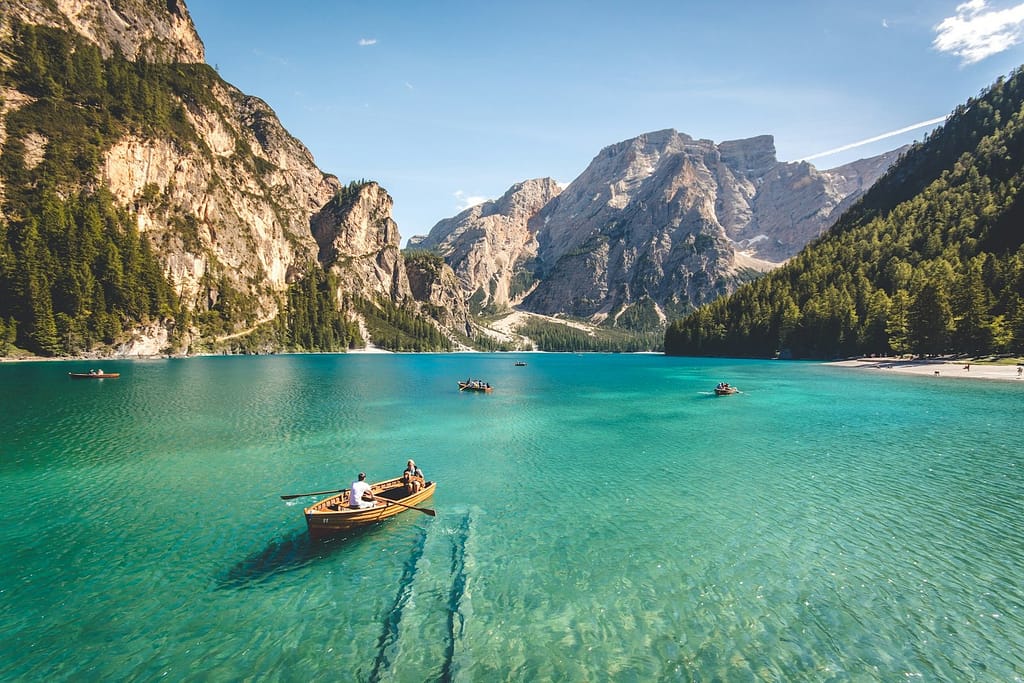
Photo by Pietro De Grandi on Unsplash
11. Know That Confidence Builds During the Trip, Not Before It
One of the biggest misconceptions about first solo trip preparation is the idea that you need to feel fully confident before you go. Confidence usually comes after you take action, not before.
It’s normal to feel uncertain right up until departure. That doesn’t mean you’re unprepared. It means you’re human. Each small decision you make during your trip: navigating transport, ordering food, asking for help; builds confidence naturally.
When you prepare for your first solo trip, trust that you don’t need to have everything figured out in advance. You’ll learn as you go, and that learning is part of the experience.
FAQ
Q: Is it normal to feel anxious when you prepare for your first solo trip?
Yes. Feeling anxious doesn’t mean you’re not ready. It usually means you care and you’re stepping outside your comfort zone. Anxiety often settles once you’re in motion and you start making small decisions on your own.
Q: How long should my first solo trip be?
Shorter trips are often ideal when you prepare for your first solo trip. A few days to a week gives you enough time to adjust without overwhelming yourself or feeling trapped if you need rest. Although you can also prepare for your first solo trip to be long (mine was 1 month that turned into 3).
Q: What if I feel lonely while travelling alone?
Loneliness can happen, and it doesn’t mean you made a mistake. Feeling lonely doesn’t cancel out the value of the experience. You can reach out to people you trust, choose more social spaces when you want connection, or simply let the feeling pass without judging it.
Q: Do I need to be outgoing to travel alone?
Not at all (I’m not). You don’t need to be confident, social, or extroverted to enjoy solo travel. Many introverted or quiet travellers thrive because they can move at their own pace and engage only when it feels right.
Q: What if something goes wrong?
Something going wrong doesn’t mean failure. It means problem-solving, which is a skill you already use in everyday life. Preparing calmly gives you tools, but flexibility is what actually carries you through unexpected moments. It’s also okay to cry, I did a few times before I figured it out.
What’s Next?
Once you prepare for your first solo trip and take that step, you open the door to a new kind of self-trust. From here, you might explore deeper topics like travelling with anxiety, building confidence through solo experiences, or creating sustainable travel routines that support your wellbeing.
If you’re looking for related reads, you might enjoy guides on solo travel safety, managing overwhelm while travelling, or gentle travel planning systems that reduce stress. If you’d like something practical to start with, you can also download my printable travel checklist here.


Pingback: The Real Benefits of Solo Travel: Why Travelling Alone Can Change You in 2026: An Informative Guide - rnworld