

A lot of money-saving advice sounds great until you actually try to follow it.
Stop buying coffee. Stop eating out. Stop shopping. Stop spending money on hobbies. While these suggestions may reduce your spending, they can also make life feel a little miserable. It’s like okay, where do I get to breathe?
The problem is that many people approach saving money as though they are trying to survive a punishment rather than improve their finances. The result is often the same. They follow a restrictive budget for a few weeks, become frustrated, and eventually give up altogether.
If you’re trying to save money without feeling restricted, a different approach is needed. Instead of focusing on everything you need to stop doing, it can be more helpful to focus on spending intentionally. The goal isn’t to remove every enjoyable thing from your life. The goal is to make room for the things that matter while reducing the spending that doesn’t add much value.
The good news is that learning how to save money without feeling restricted doesn’t require a complete lifestyle overhaul. Small changes can make a surprisingly big difference over time.

Guide Overview
Learning how to save money without feeling restricted isn’t about becoming the person who never spends money. It’s about creating spending habits that support your financial goals without making you feel deprived in the process.
The tips in this guide focus on reducing unnecessary spending, being more intentional with purchases, and finding ways to make your money go further without removing everything you enjoy. The aim is to help you build a more sustainable approach to saving so that it feels realistic enough to maintain long-term.
Table of Contents
1. Cancel Subscriptions You Don’t Use
One of the easiest ways to save money without feeling restricted is to review your subscriptions.
Most people have at least one subscription they forgot about. It might be a streaming service they rarely watch, an app they downloaded during a fitness phase, or a free trial that quietly turned into a monthly payment.
Spend a few minutes going through your bank statements and identifying recurring charges. You may be surprised at how many subscriptions can sneak past you quietly. Looking at your spend history may seem terrifying at first, especially if you’ve always avoided it; but once you do it enough times, it starts to feel like another natural step in your routine.
The key is not to cancel everything. If a subscription genuinely improves your life and gets used regularly, keep it. Learning how to save money without feeling restricted is about removing spending that no longer serves you, not eliminating everything you enjoy.
2. Use What You Already Own First
Many of us buy new things before fully using what we already have.
This can happen with skincare, makeup, books, clothes, craft supplies, home organisation products, and even food sitting in the pantry (I am guilty of this too).
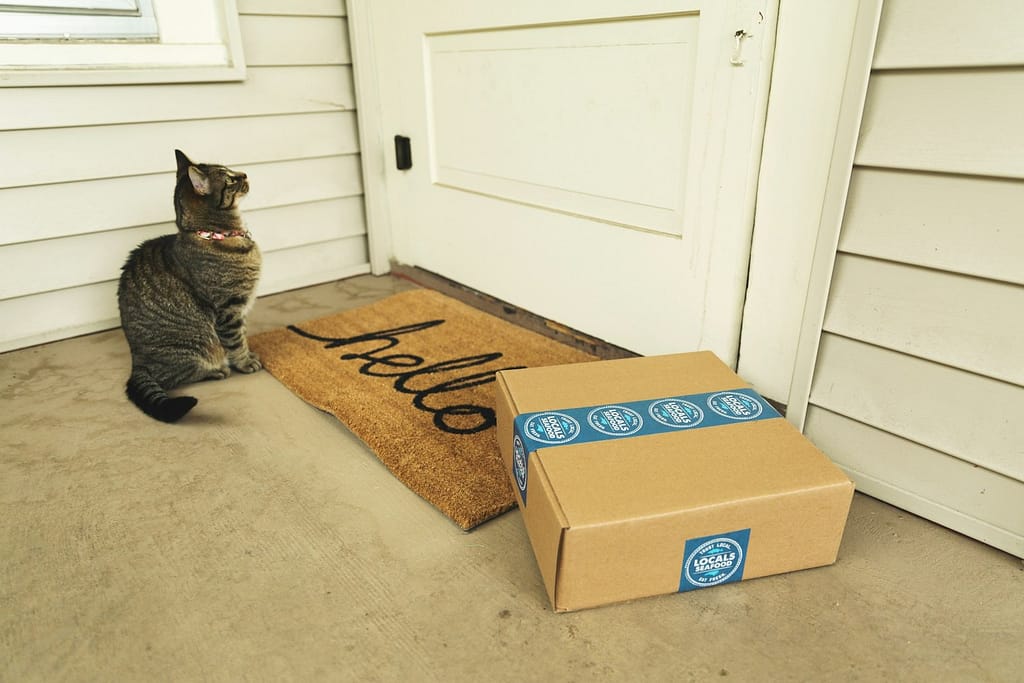
The excitement of buying something new often feels stronger than the satisfaction of using something we already own. Unfortunately, that habit can become expensive over time. I honestly feel like when you buy something online, it’s more about the excitement of awaiting the packaging, receiving it, then unboxing it, rather than the actual product itself.
If you’re trying to save money without feeling restricted, start by looking around your home before making a purchase. You may already own something that serves a similar purpose.
This doesn’t mean you’re never allowed to buy anything new. It simply means getting more value out of the items you’ve already paid for. In many cases, delaying a purchase by a few weeks is enough to determine whether you genuinely need it.
I have a friend who measures things in frozen cokes because she loves them. Every frozen coke costs her $1, so when she is debating a purchase she asks herself how many frozen cokes is this worth – e.g. $30 would equal 30 frozen cokes, and that is how she assigns value to her purchases. It actually ends up being quite effective, because she spends based on value > impulse, allowing her to save money without feeling restricted.
3. Wait Before Making Non-Essential Purchases
Impulse purchases are one of the biggest obstacles when trying to save money without feeling restricted.
A new skincare product appears on your feed. A book gets recommended by a friend. A sale pops up in your inbox. Suddenly you’re convinced that you need the item immediately.
One simple habit can make a huge difference: waiting.
Instead of purchasing something the moment you want it, give yourself a short waiting period. For smaller purchases, this might be 24 hours. For larger purchases, it could be several days.
What’s interesting is how often the urgency disappears.
Many purchases feel essential in the moment but lose their appeal once emotions settle. If you still want the item after the waiting period, you can buy it knowing that the decision was intentional rather than impulsive.
This approach helps you save money without feeling restricted because you’re not banning purchases. You’re simply creating space between wanting something and buying it.
4. Keep a Small Fun Money Budget
One of the biggest mistakes people make when trying to save money without feeling restricted is removing all enjoyable spending.
The logic seems reasonable. If spending less is good, then spending nothing must be even better.
In reality, that approach often backfires.
When people feel deprived, they are more likely to abandon their budget altogether. What started as an attempt to save money can quickly turn into a spending spree fuelled by frustration.
A better approach is to include a small amount of guilt-free spending in your budget.
This money can be used for anything you enjoy. Coffee, books, skincare, hobbies, takeaway, or sweet treats. The specific category doesn’t matter. What matters is having room to enjoy your money without feeling guilty about it.
Learning how to save money without feeling restricted often comes down to balance. You don’t need to choose between enjoying life and being financially responsible. Both can exist at the same time.
5. Reduce Food Delivery Before Cutting Experiences
If you’re looking for a high-impact way to save money without feeling restricted, food delivery is often worth examining.
Food delivery is convenient, but convenience comes at a cost. Delivery fees, service fees, small order fees, and inflated menu prices can turn a relatively affordable meal into a surprisingly expensive one. Because tell me why it’s now costing $38.49 for regular fries and a burger, even with zero delivery fees?
You don’t need to give up takeaway completely.
Instead, consider reducing how often you use food delivery rather than eliminating it entirely. You might decide to order once a week instead of several times per week, or reserve it for particularly busy days when the convenience genuinely improves your life.
The reason this strategy works so well is that it targets spending that often provides less long-term value than experiences.
Cutting back on food delivery may free up money that can be redirected towards things you genuinely care about, such as hobbies, travel, savings goals, or time with friends. That’s a much easier way to save money without feeling restricted than cutting the things that bring you joy. And honestly, half the time the food arrives cold and soggy anyways; all because you didn’t want to pay an extra $3.99 for priority delivery.

6. Stop Buying Backups You Don’t Need
Buying backups can feel responsible. You see a product on sale, you know you’ll eventually use it, and purchasing a spare seems like a smart financial decision.
Sometimes it is.
The problem is that many of us buy backups far too early. A cleanser that’s still half full suddenly has two replacements waiting in the cupboard. A moisturiser that won’t run out for months somehow gets repurchased because it’s discounted.
I actually noticed this recently while shopping for skincare. A store I regularly buy from advertised massive Boxing Day discounts, but many of the products were already sold at those same “discounted” prices throughout the year. It was a reminder that a sale doesn’t automatically equal savings, especially if the price hasn’t actually changed.
That’s why learning how to save money without feeling restricted often means changing when you buy things rather than what you buy.
Before purchasing a backup, ask yourself whether you’ll realistically need it within the next few weeks. If the answer is no, leaving the money in your account may be the better option.
7. Unsubscribe From Marketing Emails
Companies spend a lot of money convincing us to spend ours.
One of the easiest ways to save money without feeling restricted is to reduce how often you’re being encouraged to shop.
Marketing emails create a sense of urgency. Limited-time offers, flash sales, exclusive discounts, and countdown timers are designed to make you feel as though you’re missing out.
The reality is that most of these promotions are not emergencies.
If you find yourself frequently tempted by online shopping, spend ten minutes unsubscribing from retailer emails. You can always visit a website when you genuinely need something. There’s no requirement to receive daily reminders that products exist.
Many people find they naturally spend less once they’re no longer being constantly prompted to buy.
I receive quite a few marketing emails each day and, if I’m being honest, sometimes I feel the pull too. Recently, one of my favourite brands launched a new perfume and, because I was on their highest loyalty tier, I was given early access before the general public.
I find tactics like that surprisingly hard to resist because they make me feel special, even when the product wasn’t on my shopping list beforehand. But using the strategy from point 3 helps me to save money without feeling restricted, because my purchases become intentional.
8. Find Free or Low-Cost Alternatives
Saving money doesn’t always require giving things up. Sometimes it simply means finding a more affordable way to enjoy them.
For example, if you’re trying to save money without feeling restricted, you might:
- Borrow books from the library instead of buying every new release.
- Learn a language using free online resources.
- Explore free walking trails in your area.
- Try low-cost hobbies before investing heavily in equipment – if you want ideas for low-cost hobbies, you can check out my post 7 Cheap Hobbies to Start in 2026.
- Watch free content before subscribing to another streaming service.
The goal isn’t to choose the cheapest option every time. The goal is to recognise that enjoyable experiences don’t always require significant spending.
Many people are surprised by how they can save money without feeling restricted once they start looking for alternatives rather than replacements.

9. Automate Savings and Bill Repayments
This is one of the most effective ways to save money without feeling restricted because it removes decision-making from the process.
Whenever possible, automate your savings contributions and bill repayments.
When money is automatically transferred towards savings and essential expenses, you’re left with a clearer picture of what you actually have available to spend.
Instead of wondering whether you can afford something, you already know.
This approach can also reduce financial stress because you’re less likely to accidentally spend money that was meant for bills, debt repayments, or savings goals.
Many people assume budgeting requires tracking every dollar. While that works for some, automation can often achieve similar results with far less effort and is probably one of the easiest ways to save money without feeling restricted because you don’t have to actively think about it.
10. Focus on High-Impact Spending Habits
When trying to save money without feeling restricted, it’s easy to become obsessed with small purchases.
People spend hours debating whether they should buy a coffee while ignoring much larger expenses elsewhere in their budget (just so you know, buying coffee is so fine).
While small savings can add up, bigger spending habits usually have a greater impact.
This might include:
- Frequent food delivery – when I looked at my spending pattern for the first time, I was horrified.
- Impulse shopping
- Unused subscriptions
- Large recurring expenses
- Lifestyle inflation
Rather than stressing over every small purchase, focus on the habits that genuinely move the needle.
You’ll often find that reducing a few high-impact expenses creates more financial breathing room than cutting dozens of small pleasures.
FAQ
Q: Can I save money without giving up everything I enjoy?
Yes. In fact, that’s often more sustainable. Learning how to save money without feeling restricted is about spending intentionally rather than removing every enjoyable expense from your life.
Q: How much should I save each month?
There isn’t a single number that works for everyone. The best amount is one that supports your goals while still allowing you to enjoy your life and meet your financial responsibilities.
Q: Should I stop spending money on hobbies?
Not necessarily. Hobbies can improve wellbeing, provide enjoyment, and help prevent burnout. If you’re trying to save money without feeling restricted, it can be more helpful to look for lower-cost ways to enjoy your hobbies rather than eliminating them completely.
What’s Next?
Learning how to save money without feeling restricted isn’t about becoming perfect with money. It’s about creating habits that are realistic enough to maintain over time.
Some of the suggestions in this guide may save you a few dollars each month. Others may save significantly more. The most important thing is finding an approach that feels sustainable for your lifestyle.
Sometimes the challenge isn’t your spending habits at all. Sometimes it’s the beliefs, emotions, and thought patterns sitting underneath them. If you find yourself struggling with guilt around spending, feeling anxious about money, feeling like you can never have enough, or constantly swinging between overspending and restriction, you may find my article on Understanding Your Financial Mindset helpful as a starting point.
The people who successfully save money without feeling restricted aren’t usually the people who spend the least. They’re often the people who spend with the most intention. Over time, those small intentional decisions can create meaningful changes in both your finances and your relationship with money.
Important Disclaimer
I am not a financial advisor. This article is for general educational purposes only, drawn from personal experience and research, and does not constitute financial advice. The information shared here is not personalised to your financial situation. Always consider your own circumstances and seek independent, appropriately licensed professional advice if required.


