

There’s a particular kind of discomfort that doesn’t come with chaos or crisis, but generates itself as you feeling stuck in life. Nothing is dramatically wrong, but nothing feels right either. You’re functioning, showing up, doing what you’re supposed to do, yet there’s a quiet heaviness that lingers. You might be feeling stuck in life, even though you can’t point to a single reason why.
Feeling stuck in life is confusing because it doesn’t fit the narratives we’re used to. We’re taught that feeling stuck means you’re lazy, unmotivated, or failing to take action. But what if that’s not true? What if feeling stuck in life isn’t a flaw or a lack of effort, but a signal that something internal is shifting before it has words?
This post isn’t here to push you into drastic change or tell you how to “fix” your life. Think of it more like sitting beside you, naming what’s happening, and offering perspective while you find your footing. Because feeling stuck in life doesn’t always mean you’ve stopped moving. Sometimes it means you’re between versions of yourself.
Guide Overview
This guide explores what feeling stuck in life really means when there’s no obvious cause. We’ll unpack why stuckness can show up even when you’re doing everything “right,” how it differs from burnout or low energy, and why pushing for clarity too quickly often makes it worse.
You’ll move through steps that help you understand the emotional layers beneath feeling stuck, identify what kind of stuckness you’re experiencing, and learn how to live and move forward without forcing answers. The focus isn’t on escaping the feeling immediately, but on relating to it in a way that creates space, steadiness, and self-trust.
This post may contain affiliate links. If you make a purchase through them, I may earn a small commission at no extra cost to you.
Photo by Tomas Tuma on Unsplash
Table of Contents
1. Understand What Feeling Stuck Actually Is
Feeling stuck in life is rarely about external circumstances alone. You can have a job, routines, goals, and still feel internally stalled. That’s because stuckness often lives at the level of meaning rather than motion. You’re moving, but it doesn’t feel like it’s leading anywhere.
This feeling tends to show up during periods of transition, even when the transition isn’t visible yet. Your old ways of being no longer fit, but the new ones haven’t fully formed. There’s a sense of suspension, like standing in a hallway between rooms, unsure which door you’re meant to walk through next.
What makes feeling stuck in life so uncomfortable is that it resists clear solutions. You can’t simply tick something off a list and make it disappear. And because there’s no obvious problem to solve, many people turn the discomfort inward, assuming they’re the issue.
Recognising that feeling stuck in life can be a response to internal change rather than external failure is often the first shift. It reframes the experience from “something is wrong with me” to “something is reorganising within me.”
2. Differentiate Feeling Stuck From Burnout or Low Energy
It’s easy to confuse feeling stuck in life with burnout or exhaustion, but they’re not the same thing. Burnout usually comes with depletion. Your energy is low, rest doesn’t restore you, and even small tasks feel heavy. Stuckness, on the other hand, can exist even when you technically have energy.
You might still be capable of doing things, but feel disconnected from them. Motivation comes and goes. You’re not necessarily tired; you’re directionless. There’s effort, but it lacks emotional traction. It’s like you’re on autopilot and life is passing you by, as if you’re on a fast train and the outdoor scenery zooms past so fast that you don’t even know what you’ve missed.
Understanding this distinction matters because the response is different. Burnout requires rest, boundaries, and recovery. Feeling stuck in life requires orientation. It’s less about stopping everything and more about understanding where you are and why movement feels unclear.
When people try to treat feeling stuck as a productivity problem, they often end up pushing themselves harder, which creates more frustration and can actually lead to burnout when there was none to begin with. Recognising what you’re actually experiencing allows you to respond with the right kind of care.\
How to tell if you’re experiencing burnout, low energy, or feeling stuck in life
| Experience | Burnout | Low Energy | Feeling Stuck in Life |
|---|---|---|---|
| Primary sensation | Exhaustion and depletion | Fatigue or heaviness | Disorientation or restlessness |
| Energy levels | Very low, even after rest | Low but fluctuates | Often intact, but unfocused |
| Desire to act | Little to none | Present but inconsistent | Present, but unclear where to direct it |
| Relationship to rest | Rest feels necessary but insufficient | Rest helps temporarily | Rest doesn’t resolve the feeling |
| Emotional tone | Numb, irritable, overwhelmed | Flat, foggy, unmotivated | Uneasy, unsettled, disconnected |
| Sense of direction | Direction feels irrelevant or unreachable | Direction exists but feels hard to engage with | Direction feels missing or undefined |
| Common thought pattern | “I can’t do this anymore.” | “I don’t have the energy.” | “I don’t know what I’m doing with my life or where I’m going.” |
| Response to pressure | Shutdown or withdrawal | Increased fatigue | Increased anxiety or urgency |
| What actually helps | Recovery, boundaries, reducing demands | Nourishment, rest, gentler pacing | Orientation, reflection, values-based purpose |
| Core need | Restoration | Replenishment | Understanding, purpose and reconnection |

Photo by Jordan Madrid on Unsplash
3. Notice the Pressure to “Figure It Out”
One of the reasons feeling stuck in life becomes unbearable is the pressure to resolve it quickly. We live in a culture that values clarity, decisiveness, and forward motion. Not knowing what’s next is often framed as a failure rather than a phase.
This pressure can come from external sources: family expectations, social timelines, comparison, but it also becomes internalised. You might find yourself constantly asking, “What’s wrong with me?” or “Why can’t I just decide?”
The truth is, not all clarity is available on demand. Some understanding only emerges after time, experience, or rest. Trying to force certainty before it’s ready often creates anxiety rather than insight.
Allowing yourself to be in a period of not knowing doesn’t mean giving up. It means recognising that some chapters require presence more than planning. Feeling stuck in life doesn’t always need an answer; sometimes it needs permission.
After all, sometimes it takes getting lost in the maze to find a better way out.
4. Identify the Type of Stuckness You’re Experiencing
Not all stuckness feels the same. For some, feeling stuck in life is rooted in uncertainty about identity, who you are becoming no longer matches who you’ve been. For others, it’s tied to emotional accumulation. You’ve been holding a lot for a long time, and something inside you is asking for integration before moving forward.
There’s also value-based stuckness. You may be living in a way that looks fine externally but feels misaligned internally. Your actions don’t reflect what matters to you anymore, even if they once did.
Naming the kind of stuckness can bring relief. It turns a vague sense of wrongness into something you can sit with. You don’t need to solve it immediately. You just need to understand what kind of conversation your inner world is trying to start.
5. When Feeling Stuck Comes From Living Someone Else’s Values
Sometimes feeling stuck in life doesn’t come from uncertainty or exhaustion, but from alignment that isn’t truly yours. You may have built a life that looks acceptable, even successful, by external standards. You followed the most walked path, met expectations, did what made sense to others. From the outside, nothing appears wrong. You’re approved of, understood, and often even praised. But internally, something feels off.
This kind of stuckness is subtle because it’s quiet. There’s no crisis forcing change. Instead, there’s a low-level dissatisfaction that’s easy to dismiss or rationalise away. If you pause long enough to listen, you might notice a persistent inner pull toward something different: a way of living, working, or being that doesn’t fit neatly into what’s expected of you.
Feeling stuck in life can arise when that internal voice keeps getting overridden in favour of safety, approval, or familiarity. Even when that voice is ignored, it often finds other ways to surface; through sensations like unexplained urgency or anxiety in the body, quietly signalling that something isn’t aligned.
Also, the fear isn’t always about failure. Often, it’s about the first step away from what’s known. Walking the less travelled path can feel isolating, risky, and destabilising, especially if your current life has been built around belonging and validation. That fear can cloud your ability to move, making you feel frozen rather than decisive. But stuckness here isn’t a sign that you lack courage or clarity. It’s a signal that your inner values and your external life are no longer integrated through harmony.
In this context, feeling stuck in life doesn’t mean you have to abandon everything overnight. It’s asking you to acknowledge where your choices have been shaped more by expectation rather than by fulfilment. The work isn’t immediately choosing a new path, but allowing yourself to admit that the current one may no longer be enough. Sometimes, the most important shift is simply recognising whose life you’ve been living and giving yourself permission to imagine something truer, even if you’re not ready to walk toward it yet.

Photo by Jens Lelie on Unsplash
6. Let Go of the Idea That Feeling Stuck in Life Means Failure
Perhaps the hardest reframe is this: feeling stuck in life does not mean you’re falling behind. It often means you’re between phases of growth. Before visible change, there is often a period of disorientation where the old no longer works and the new hasn’t arrived.
From the outside, this can look like stagnation. From the inside, it can feel like tension, restlessness, or grief for a version of yourself that no longer fits. That doesn’t make it wasted time.
If you measure your life only by outcomes, this phase will feel intolerable. If you allow room for internal shifts, it becomes more bearable. Growth isn’t always linear, and it isn’t always obvious while it’s happening.
Feeling stuck may not be something to escape. It may be something to listen to.
7. Learn How to Live While You Feel Stuck
One of the most painful assumptions about feeling stuck in life is that it puts everything else on hold. As though you’re not allowed to enjoy things, plan small joys, or invest in yourself until clarity arrives. This mindset turns stuckness into a waiting room, rather than a place where life is still happening.
But life doesn’t pause just because you don’t have answers. You still wake up each day with a body, relationships, needs, and desires. Learning how to live while feeling stuck is less about finding direction and more about maintaining connection to yourself in the absence of it.
This might look like keeping routines that support your wellbeing, even if they don’t feel exciting. It might mean continuing hobbies or interests without expecting them to lead anywhere. When you release the pressure for everything to be meaningful or productive, life becomes more bearable again.
Living while feeling stuck in life is an act of trust. Trust that this phase isn’t empty, even if you can’t yet see what it’s building toward.
8. Stop Measuring Progress Only by External Movement
When you feel stuck in life, it’s often because your internal experience doesn’t match your external markers of progress. You may be doing things, achieving things, or maintaining stability, yet internally feel unmoved.
That’s because not all progress looks like forward motion. Some progress looks like integration. Some looks like unlearning. Some looks like staying instead of running.
Internal progress rarely comes with applause or clear milestones. You might be learning how to tolerate discomfort, sit with uncertainty, or resist making impulsive changes just to escape the feeling of being stuck. These are skills, even if they don’t look impressive from the outside.
If you only validate growth when it’s visible, feeling stuck will always feel like failure. Expanding your definition of progress allows you to recognise that something is still happening, even when it’s quiet.
9. Understand Why Forcing Change Often Backfires
When feeling stuck in life becomes unbearable, there’s often an urge to do something drastic. Quit the job. Move cities. End relationships. Start over entirely. While change can sometimes be necessary, change driven purely by the desire to escape discomfort often creates more instability.
Forcing movement before you understand what you’re moving away from can lead to repeating the same patterns in a new setting. The environment changes, but the internal experience doesn’t.
This doesn’t mean you should never make bold choices. It means those choices land differently when they come from clarity rather than panic. If you’re constantly asking yourself whether you should blow everything up, it’s worth pausing to ask what you’re actually trying to get away from.
Feeling stuck in life is often a request for reflection, not reaction. Sometimes that reflection begins by simply getting thoughts out of your head and onto paper, using a journal or notebook without worrying about structure or clarity.
For some people, reflection cards can also be helpful, not as answers, but as prompts that gently surface what your inner voice might be trying to communicate.

Photo by Chase Kennedy on Unsplash
10. Make Space for Comparison Without Letting It Define You
Comparison becomes louder when you feel stuck in life. Watching others move forward in careers, relationships, families, or personal projects can amplify the sense that you’re lagging behind.
The truth is, people are rarely on the same timeline, even if it looks that way on the surface. Life phases aren’t linear or universal, and progress in one area often comes with struggle in another that you can’t see.
Comparison doesn’t need to be eliminated to be managed. It helps to acknowledge the feeling without feeding it. You can recognise envy or sadness without turning it into a verdict about your worth or future.
Feeling stuck in life doesn’t mean you’re behind. It means your life is unfolding in a way that doesn’t fit a neat narrative right now.
11. You’re Not Alone in Feeling This Way
Feeling stuck in life can be deeply isolating, especially because it often happens quietly. When you can’t clearly justify why you feel this way, it’s easy to assume you’re alone in it. But many people carry this same experience privately. They go to work, maintain relationships, and keep moving through their days while feeling internally stalled or disconnected from meaning.
The fact that others may not talk about it openly doesn’t mean it isn’t common; it means it’s hard to articulate. Feeling stuck in life often lives in the in-between: not broken enough to demand intervention, but heavy enough to affect how you experience your own life.
Acknowledging that others feel this way too isn’t meant to make it smaller. It doesn’t mean you should “get over it” or that your experience is less valid. If anything, it highlights how human this state is. Many periods of growth, transition, or reorientation come with a sense of stuckness, even if they don’t look like progress while you’re inside them.
Sometimes, knowing that others have sat in similar uncertainty can be grounding. Not because they have answers you need to copy, but because it reminds you that this feeling isn’t a personal failure or a sign that something has gone wrong. It’s a shared human experience that often doesn’t have language until someone else names it.
This is where books, reflections, and shared stories can help, not by offering solutions, but by providing companionship. Reading about others who have lived through uncertainty, disorientation, or transition can make the experience feel less lonely. It can give shape to something you’ve been carrying internally without asking you to resolve it before you’re ready.
Some books you may resonate with:
- The Untethered Soul by Michael A. Singer: Explores how internal narratives and resistance can keep us feeling stuck in life, and how loosening identification with those patterns can create a sense of inner movement even when external direction is unclear.
- The Comfort Book by Matt Haig: A collection of short reflections that offer reassurance during periods of uncertainty, reminding readers that feeling stuck in life is not a personal failure but a deeply human experience.
- Rising Strong by Brené Brown: Focuses on how to move through the middle of difficult emotional experiences, which is especially relevant when feeling stuck in life.
- The Alchemist by Paulo Coelho: This one is fiction but it’s one of my personal favourites. It’s a reflective novel about listening to inner guidance and trusting the unfolding of one’s path, resonating with those who are feeling stuck in life while sensing that something meaningful is still forming beneath the surface.
12. Allow the Feeling Without Making It Permanent
One of the most subtle traps of feeling stuck in life is believing that this is how things will always be. The mind looks for certainty, and when it can’t find positive answers, it often settles on permanence instead.
But feelings are not forecasts. Feeling stuck today doesn’t mean you’ll feel this way forever. It means you feel this way now. Allowing the feeling without trying to solve it immediately often reduces its intensity. Resistance tends to tighten it. Acceptance loosens it.
I know this is easier said than done, because uncertainty can feel all-consuming. Sometimes it feels like the life you know is quietly crumbling and you don’t know what to do to stop it. Other times it shows up as time scarcity, where you try everything you can, but your circumstances don’t seem to change, and you start to fear that you’re running out of time or that you’ll never get out of this phase.
Breathe. It’s okay. You aren’t meant to have all the answers or control the outcomes. When it feels like change depends on every single decision you make, it’s natural to worry about the future, but outcomes were never fully within your control to begin with. What matters is effort and intentional action.
Think of it like planting a seed. It has to move through seasons of sunshine, then rain, then slow, unseen growth and establishment of its roots before it can fully flourish. Your job isn’t to rush the process. It’s to plant yourself, tend to the seed, and trust that growth is happening even when you can’t see it yet.
You’re not required to know how this phase ends in order to be inside it with honesty and care. You’re doing great and I’m glad you’re here.
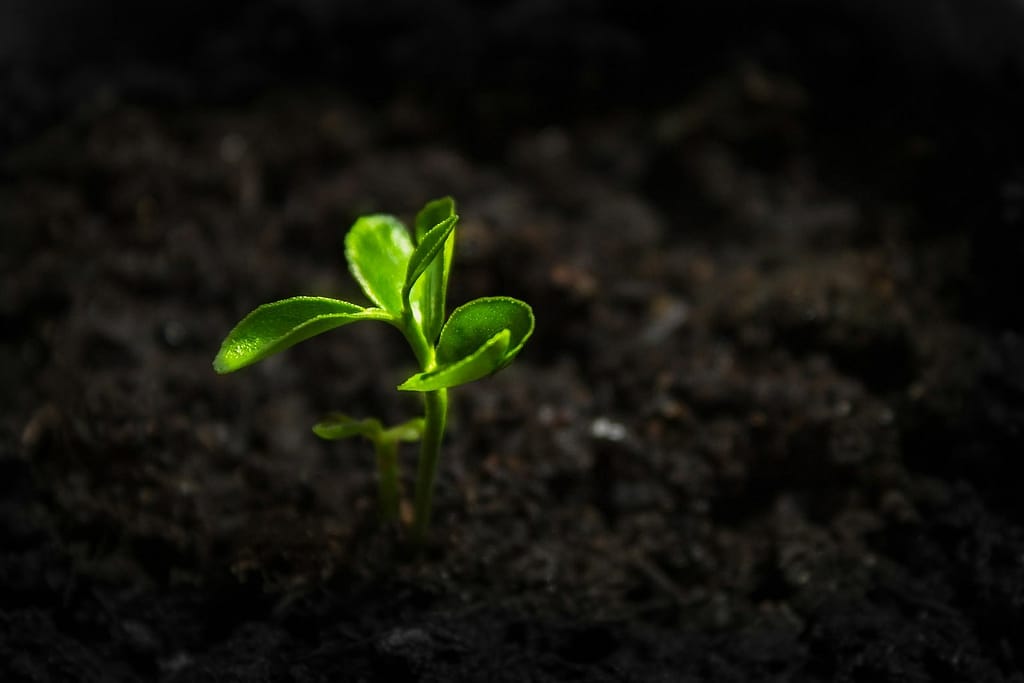
Photo by Alexandr Istomin on Unsplash
FAQ
Q: Why do I feel stuck in life when nothing is obviously wrong?
Feeling stuck in life often comes from internal shifts rather than external problems. Your values, identity, or priorities may be changing faster than your circumstances, creating a sense of disorientation without a clear cause.
Q: Is feeling stuck a sign I need to change something?
Sometimes, but not always. Feeling stuck can signal the need for reflection, rest, or integration rather than immediate action. Change that comes later is often clearer and more sustainable.
Q: How long does feeling stuck usually last?
There’s no set timeline. Some phases last weeks, others longer. What matters more than duration is how you relate to the feeling while it’s present.
Q: Can I still move forward if I don’t know what I want?
Yes. You can move in small, stabilising ways without knowing your long-term direction. Caring for yourself, maintaining routines, and staying engaged with life all count as movement.
What’s Next?
Once you’ve spent time understanding your experience of feeling stuck in life, the next step isn’t necessarily action. It’s orientation. Knowing where you are emotionally allows you to make choices from steadiness rather than urgency.
You might find it helpful to explore related reflections, such as learning how to live with uncertainty, understanding burnout that isn’t solved by rest, or caring for yourself when motivation disappears. These themes overlap because they often coexist.
Feeling stuck doesn’t mean you’re failing to live your life. It means you’re in a phase that hasn’t revealed its purpose yet. You don’t need to rush your way out of it. You can let it shape you slowly, and trust that clarity often arrives after presence, not before.


Pingback: How to Enjoy Life More in 2026 – A Realistic & Balanced Guide for Repetitive Days - rnworld