

There are seasons where even basic things feel heavy and it becomes difficult to look after yourself. Not because you’re lazy or unmotivated, but because your internal resources are stretched thin. You may still be showing up, responding, working, and existing on the surface, yet underneath it all you feel depleted. When capacity is low, most advice about productivity, routines, or optimisation becomes impossible to follow.
This guide is not about becoming your best self, fixing your life, or suddenly feeling better. It is about learning how to look after yourself when you are running on empty. The kind of care that meets you where you are, not where you think you should be. With constant stimulation, pressure, and emotional labour baked into everyday life, knowing how to care for yourself gently is not indulgent. It is necessary.
Guide Overview
This guide walks through simple, realistic steps to help you look after yourself when your energy, motivation, and emotional capacity are low. You’ll learn how to identify what kind of tired you’re experiencing, reduce unnecessary strain, and offer yourself care that doesn’t require effort you don’t have. Each step is designed to be flexible rather than prescriptive, so you can adapt it to your own life and limits.
This post may contain affiliate links. If you make a purchase through them, I may earn a small commission at no extra cost to you.

Photo by Nicole Bomar on Unsplash
Table of Contents
Name the Kind of Tired You Are Experiencing
When people feel exhausted, they often assume rest is the solution. While rest can help, not all exhaustion comes from physical overexertion. One of the first ways to look after yourself is to pause and identify what kind of tired you are dealing with.
You might be physically tired from lack of sleep or illness. You might be emotionally tired from supporting others, managing conflict, or suppressing your feelings. You might be mentally tired from constant decision-making, overstimulation, or worry. There is also nervous system fatigue, which comes from long periods of stress or feeling unsafe, even if nothing dramatic is happening in the present.
Naming the type of tiredness you are experiencing helps prevent self-blame. If you are emotionally exhausted, a nap may not help. If you are mentally overloaded, scrolling may make things worse. When you look after yourself by responding to the right need, you stop forcing solutions that don’t fit and start offering care that actually supports you.
There are also moments when rest and self-care are not enough on their own. If ongoing exhaustion is affecting your daily life, looking after yourself may involve consulting a medical professional, who can run appropriate tests and check for any underlying issues.
Reduce Before You Add Anything New
A common mistake when trying to look after yourself is adding more tasks: more routines, more habits, more practices. When capacity is low, adding anything new can feel overwhelming, even if it is labelled as self-care.
Instead of asking what you should start doing, ask what you can gently reduce. This might mean lowering expectations around productivity, communication, or social availability. It might mean letting non-essential tasks wait or giving yourself permission to do the bare minimum without guilt.
Reducing does not mean giving up. It means conserving energy. When you look after yourself by simplifying your days, you create space for recovery without demanding more from yourself. Even small reductions, like fewer decisions or less emotional output, can make a meaningful difference.
Create Micro-Boundaries to Protect Your Energy
When capacity is low, boundaries become even more important, yet also harder to maintain. You may feel guilty saying no, delaying responses, or asking for space. However, one of the most effective ways to look after yourself is to limit how much of yourself others have access to during fragile periods.
Micro-boundaries are small, temporary adjustments that protect your energy without requiring major life changes. This could mean muting notifications for a few hours, limiting conversations that drain you, or choosing not to explain yourself when you decline something in order to look after yourself in the moment.
These boundaries are not about punishment or withdrawal. They are about preservation. When you look after yourself by reducing emotional leakage, you allow your system to stabilise instead of constantly reacting. The book that helped me in this process is Set Boundaries Find Peace by Nedra Tawwab. I realised a lot of my own patterns, where they stemmed from, and slowly I was able to unlearn them to set the boundaries that were necessary to look after myself.
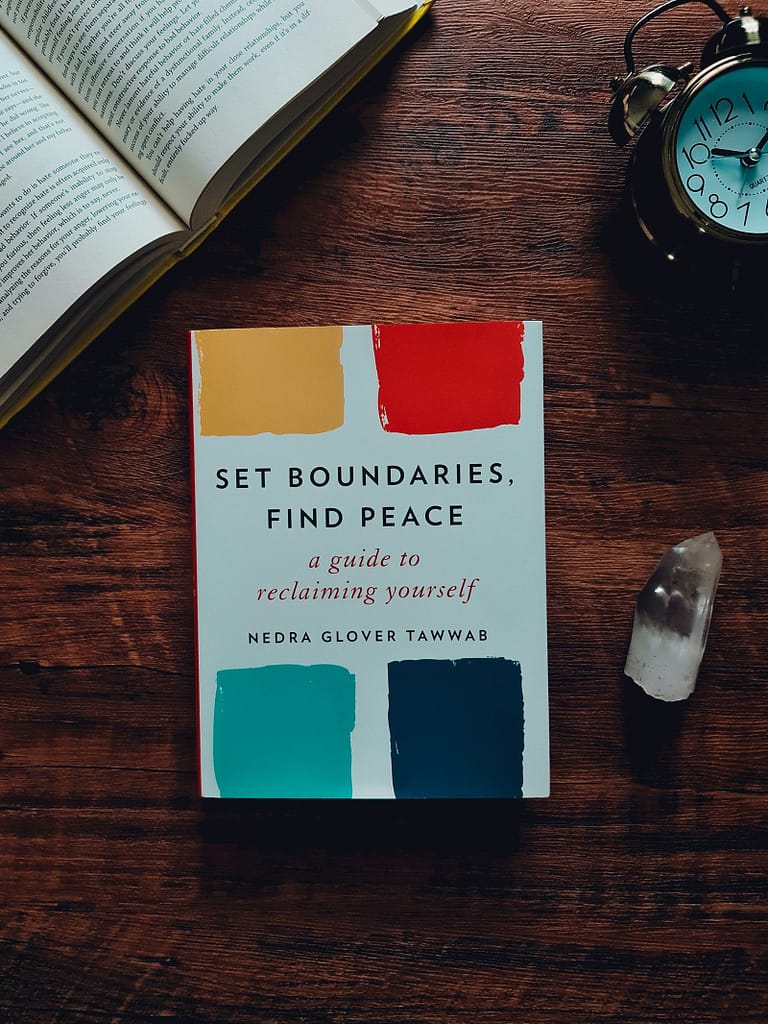
Photo by Edz Norton on Unsplash
Choose Care That Requires Almost No Effort
When people talk about self-care, it often involves activities that require planning, energy, or motivation. When you have no capacity, the most helpful forms of care are those that require very little from you.
This might look like sitting in natural light instead of forcing yourself to go outside. It might mean eating something simple rather than cooking a full meal. It could be playing familiar music, rewatching something comforting, or lying on the floor for a few minutes to let your body settle.
Learning to look after yourself in low-capacity moments means redefining care. Care is not what looks impressive or productive. Care is what feels manageable. If it does not require willpower, it is more likely to be sustainable during low energy phases.
Let Go of the Need to Do It “Properly”
Low capacity often comes with a sense of failure. You might feel like you are not doing self-care properly, not healing fast enough, or not coping as well as you should be. This internal pressure adds another layer of strain.
One of the most compassionate ways to look after yourself is to let go of the idea that there is a correct way to cope. You do not need to journal daily, meditate perfectly, or process everything consciously. Sometimes coping looks like distraction. Sometimes it looks like rest. Sometimes it looks like surviving the day without making things worse. Sometimes it looks like remaining curled up in bed in your fave pjs with a marathon of your favourite shows/movies.
One way to zoom out and release judgment is to become an external spectator to your situation. Take a moment to reflect on how you’re feeling, then imagine someone you love coming to you and sharing that they feel deeply exhausted. Would you judge them and tell them to push through because they simply can’t afford to rest right now with all they need to do? Or would you encourage them to slow down and remind them to ‘look after yourself’?
Removing judgment from how you care for yourself allows your nervous system to relax. You are not behind. You are responding to your circumstances with the resources you have, which allows you to look after yourself without pressure.

Photo by YoonJae Baik on Unsplash
Meet Your Body Where It Is
When emotional or mental capacity is low, the body often carries the load. Tension, fatigue, and discomfort can build up when feelings are unexpressed or stress is prolonged. Looking after yourself in these moments means tuning into physical needs without forcing change.
This could involve gentle stretching, warmth, hydration, or simply noticing where your body feels heavy or tight. You do not need to push yourself into exercise or routines that feel inaccessible. Even small acts, like changing position or focusing on slow breathing, can signal safety to your body. You may even benefit from a weighted blanket, as it replicates the feeling of deep pressure, which can help the nervous system feel calmer and more settled.
When you look after yourself physically in a non-demanding way, you support emotional regulation without needing to analyse or fix anything.
Accept That Capacity Fluctuates
One of the hardest parts of low-capacity seasons is the fear that they will never end. You might worry that this depleted version of yourself is permanent. While it may not feel like it, capacity naturally fluctuates over time.
Accepting fluctuation is part of learning how to look after yourself long-term. Some days you may have more energy, clarity, or motivation. Other days you may not. Neither state defines your worth or progress. As a human, your output levels are meant to fluctuate, if they were the same everyday, you’d be a robot instead!
When you stop expecting consistency from yourself, you reduce internal conflict. You begin to work with your energy instead of against it, which allows recovery to happen more naturally. Once you do have the energy, you may even benefit from a Guided Journal to deepen your personal reflections.
Use Gentle Anchors to Stay Connected
When everything feels overwhelming, grounding yourself in small, familiar anchors can help you stay connected to the present moment. Anchors are simple sensory or emotional touchpoints that remind you that you are here and safe.
This could be a scent you like, a particular blanket, a familiar drink, or a quiet ritual you return to when things feel too much. These anchors are not meant to fix how you feel. They are meant to offer steadiness.
Including anchors in how you look after yourself creates continuity during uncertain or heavy periods. They provide comfort without requiring explanation or effort.
I personally like lighting Incense Sticks because it gives me the sense that the heaviness around me is physically clearing and being replaced with a feeling of freshness. I also find myself fascinated by the way the smoke moves on its own, and I like to sit quietly and watch it flow.

Photo by petr sidorov on Unsplash
Allow Support Without Explaining Everything
When capacity is low, explaining how you feel can be exhausting. You may not even have the words. Still, support can be helpful if it is offered in a way that does not demand emotional labour from you.
This might mean sitting quietly with someone, receiving practical or professional help, or allowing yourself to lean on resources that do not require interaction. Support does not always need to involve conversation or vulnerability.
Learning to look after yourself includes recognising when you do not have to do everything alone, even if you cannot articulate what you need.
Trust That Small Care Still Counts
When you are depleted, it is easy to dismiss small acts of care as insignificant. However, consistency is built from tiny actions, not dramatic changes. Every small choice to be gentle with yourself contributes to stabilisation over time.
Drinking water, resting your eyes, saying no once, or choosing comfort over obligation all count. These moments accumulate, even if you cannot feel the impact immediately.
Trusting that small care matters helps you continue to look after yourself without needing immediate results.
FAQ
Q: How do I look after myself when even self-care feels overwhelming?
When self-care feels overwhelming, it usually means the version of care you are considering requires more energy than you have. Focus on reducing effort rather than adding tasks. Look after yourself by choosing care that feels neutral or comforting rather than productive.
Q: Is it normal to have no capacity even when life looks fine?
Yes. Capacity is influenced by emotional load, stress, nervous system regulation, and past experiences, not just current circumstances. You can look after yourself without needing to justify why you feel the way you do.
Q: How long do low-capacity periods last?
There is no fixed timeline. Some periods are short, others longer. What helps is responding with gentleness. When you look after yourself consistently, recovery tends to unfold gradually.
Q: What if I feel guilty resting or doing less?
Guilt is common, especially if you are used to being high-functioning or available to others. Rest is not a reward you earn. It is a biological and emotional need. Looking after yourself includes challenging the belief that rest must be justified. Rest isn’t always easy, especially when you’re used to pushing through. I explore this more deeply in my post on How to Give Yourself Permission to Rest – in 5 Simple and Gentle Steps.
What’s Next?
Once you understand how to look after yourself during low-capacity seasons, the next step is learning how to rebuild gently without pushing yourself back into burnout. This might involve exploring emotional boundaries, redefining productivity, or reconnecting with your needs at a slower pace.
You may also find it helpful to read related guides on emotional exhaustion, protecting your energy, or creating low-pressure routines that support recovery. Each step forward does not need to be big. It just needs to be kind.
Disclaimer
I am not a mental health or medical professional, and this post is not a substitute for professional care or diagnosis. The reflections and suggestions shared here are intended as gentle methods to support your well-being and not to replace therapy, medication, or medical advice. If you are struggling or in distress, please reach out to a qualified professional or trusted service.


